
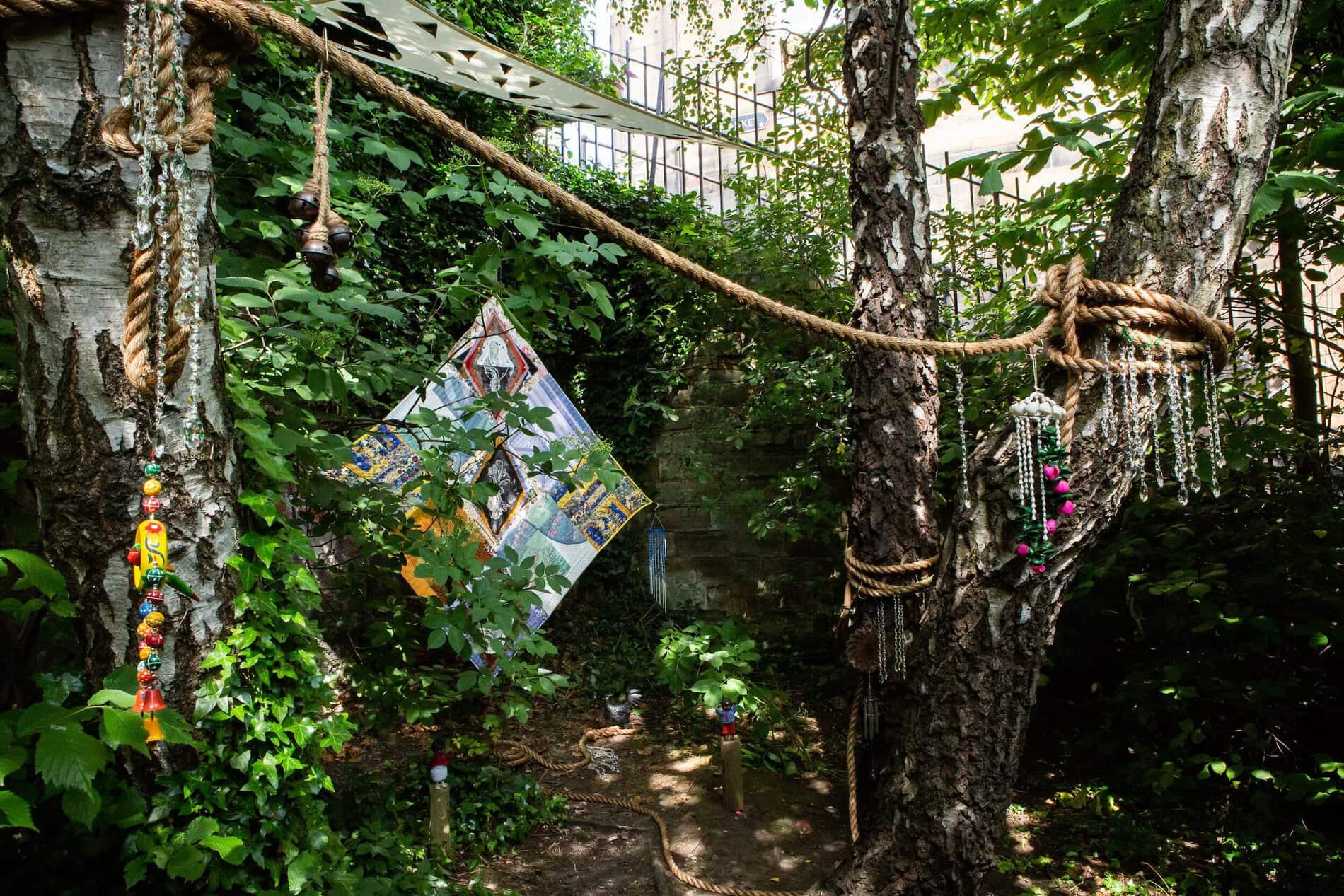
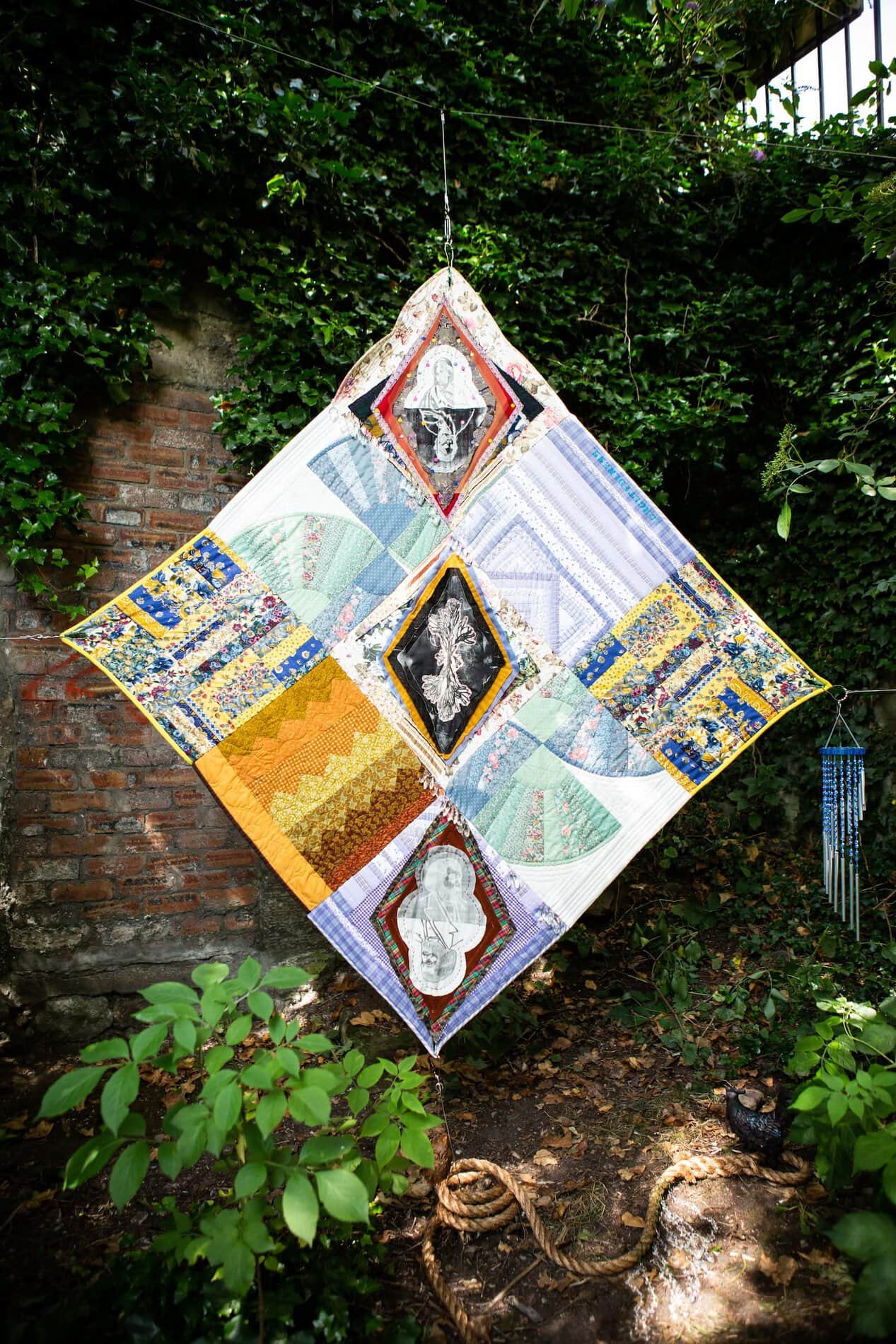
Dr. Sequoia Barnes’ artwork rests on the ancestral knowledge that objects hold memory. Ritualistic in process and presentation, Barnes’ art uses performance, sculpture, stitching, and quilting to disseminate histories of the Black diaspora through the subversion of racist imagery. An artist-researcher and engaged semiotician, Barnes incorporates used quilts that are “adorned with the stains of life.” Sweat, spills, tears, and even blood are all elements that pique Dr. Barnes’ interest in the memories fabric holds.
When asked about reclamation through textiles, Dr. Sequoia Barnes recalls reading about a white woman who inherited tea towels embroidered with iron-transferred pickaninnies. To the white woman, the familial relic imbued nostalgia. But for Dr. Barnes, the object is a reminder of the cognitive dissonance among people who objectify the Black body rather than revere it as an entity that requires autonomy. Dr. Barnes works to undermine the archive of racist memorabilia by creating her own pickaninny stitching stencils with the intent that they be used repeatedly. Instead of domestic features, however, Barnes’ pickaninnies feature grotesque facial expressions that highlight the sinister intent behind the original caricatures, subverting the faces to reflect how she feels when interacting with the imagery.
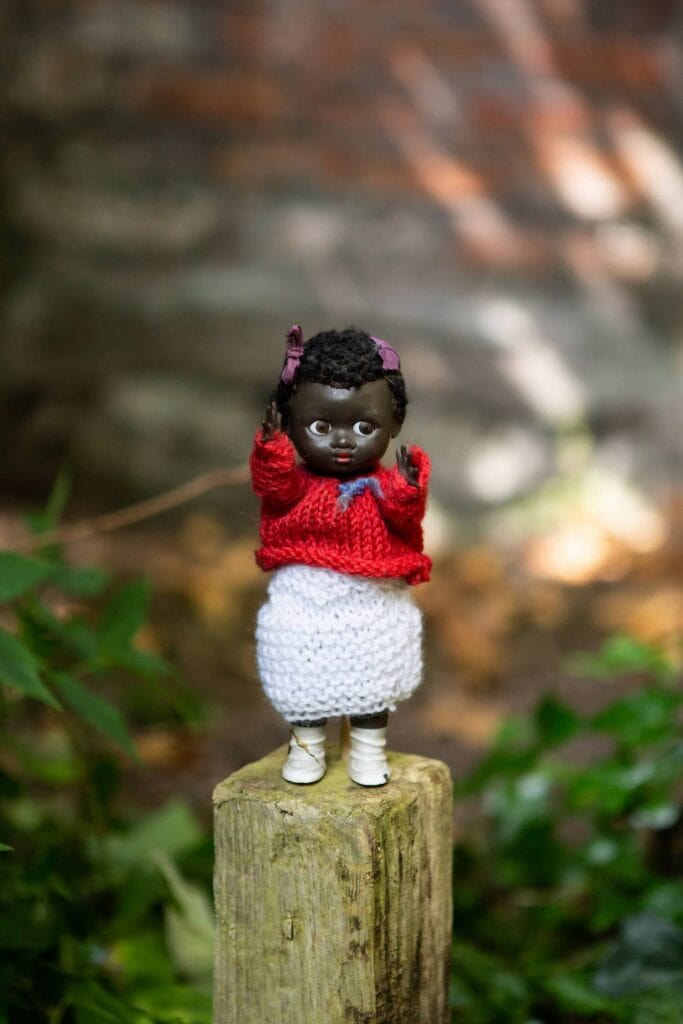
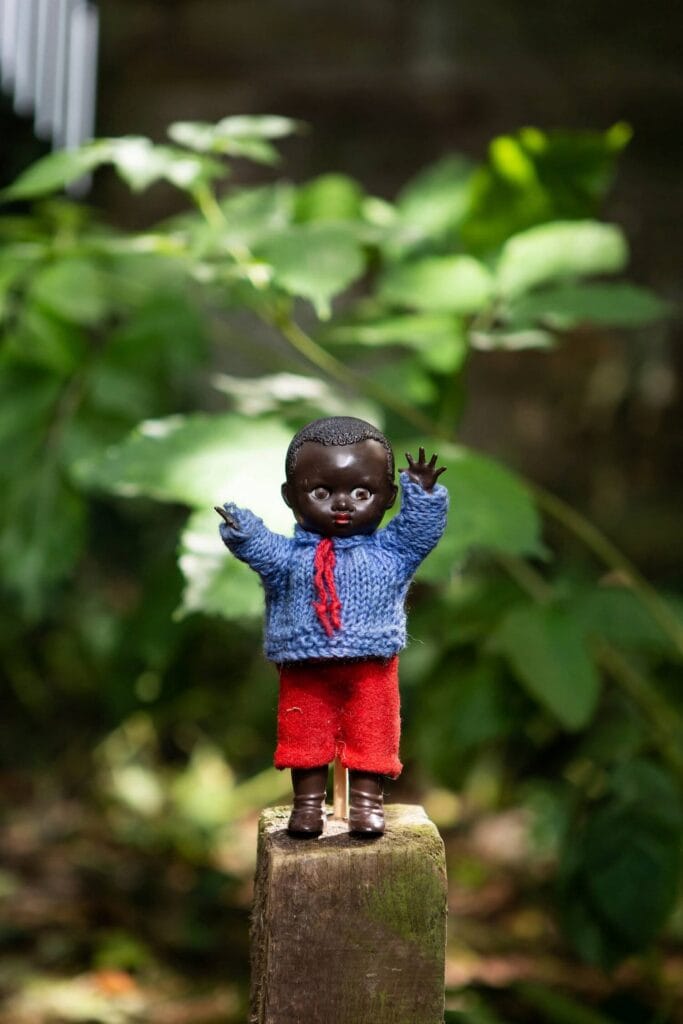
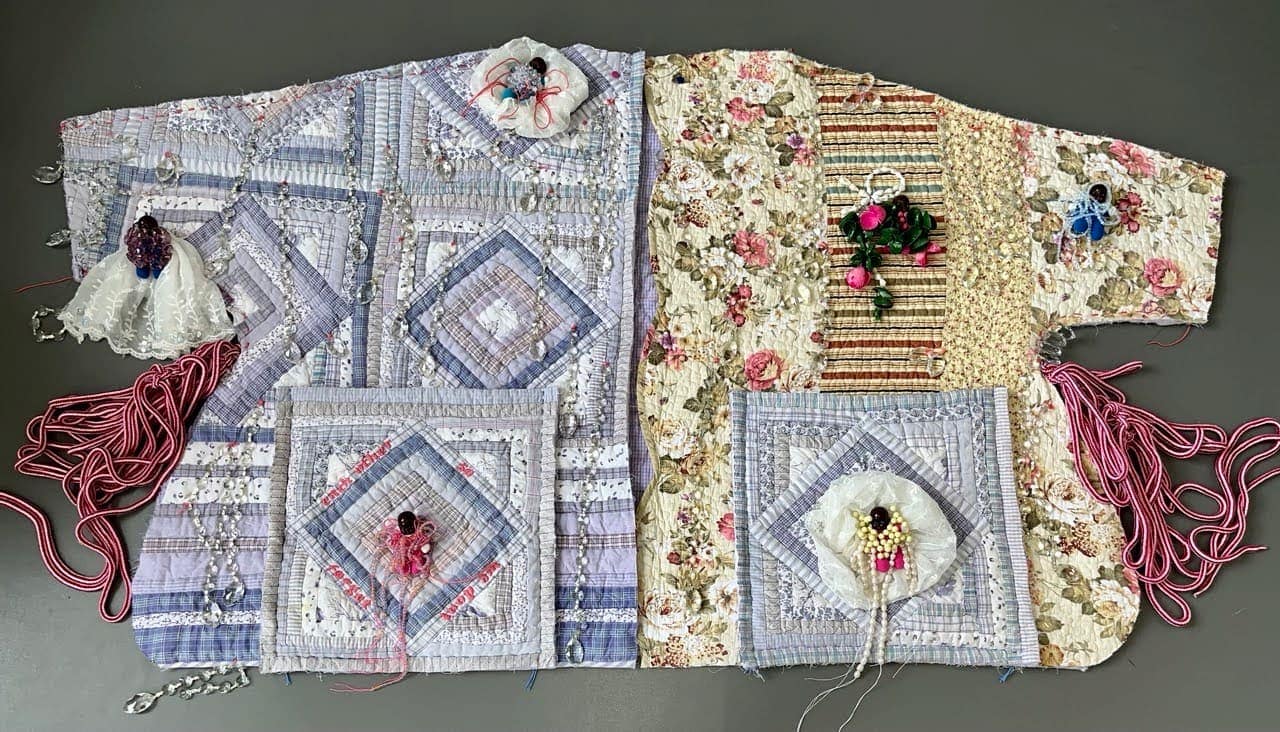
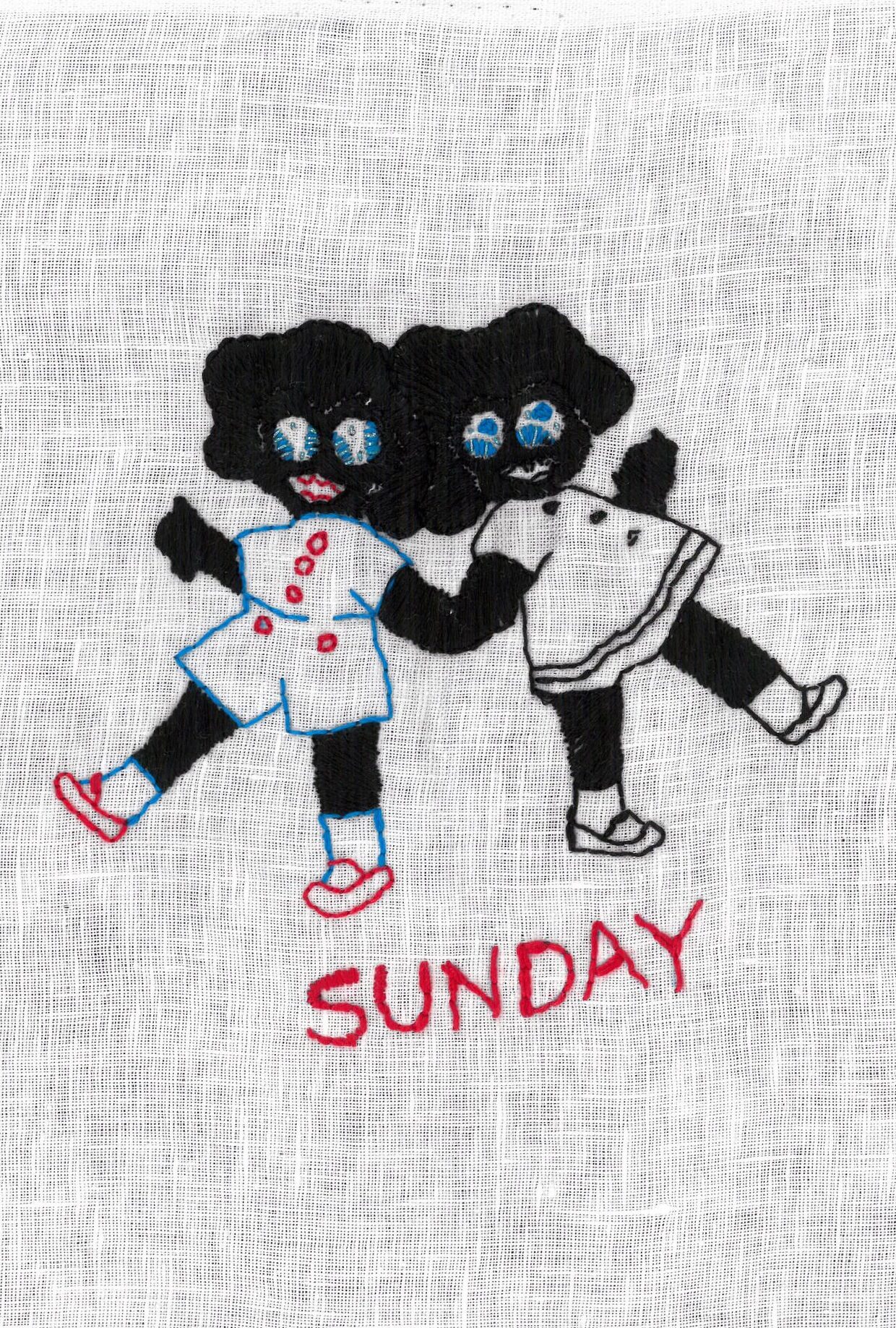
To Dr. Sequoia Barnes, the power of reclamation lies in working with racialized objects to understand the stain of white supremacy. Barnes’ artwork encourages us to perpetually ask ourselves why something is the way it is. Her artwork poses further questions, too: How do you know when something is reclaimed? Is it when it doesn’t hurt you anymore? Or is it when it still hurts you but you persevere anyway?
“Barnes incorporates used quilts that are ‘adorned with the stains of life.’ Sweat, spills, tears, and even blood are all elements that pique Dr. Barnes’ interest in the memories fabric holds.”
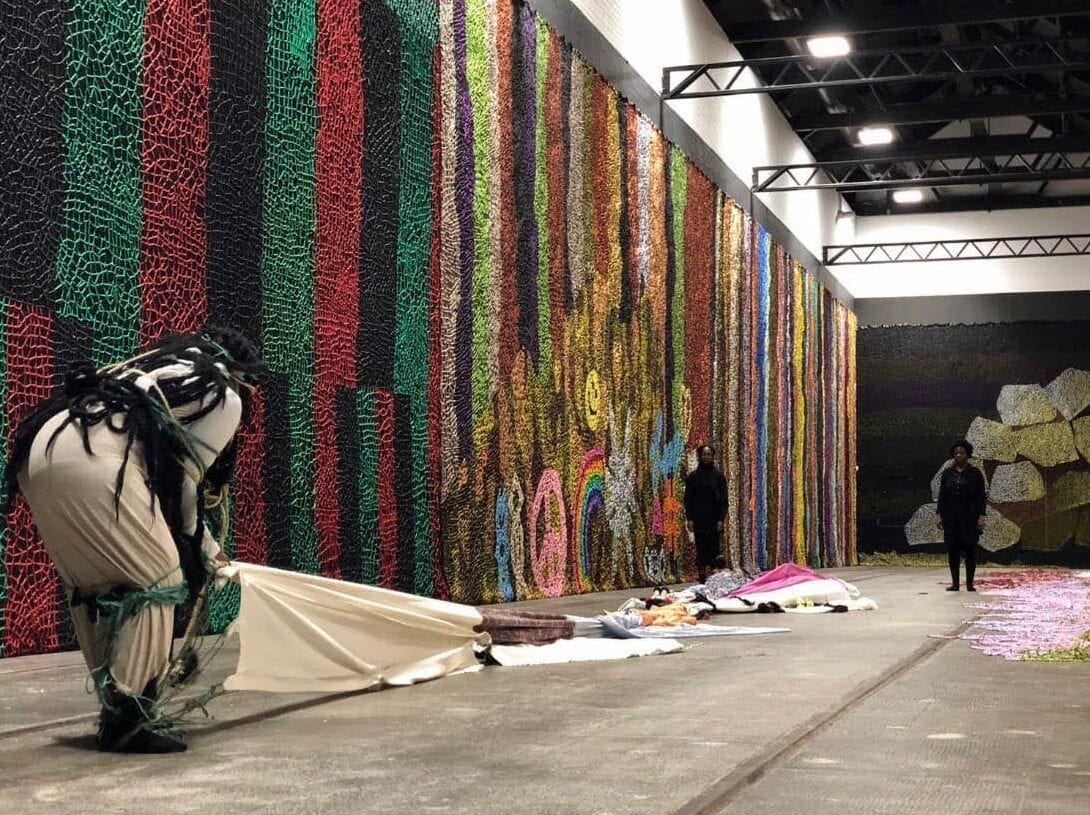
“How do you know when something is reclaimed? Is it when it doesn’t hurt you anymore? Or is it when it still hurts you but you persevere anyway?”
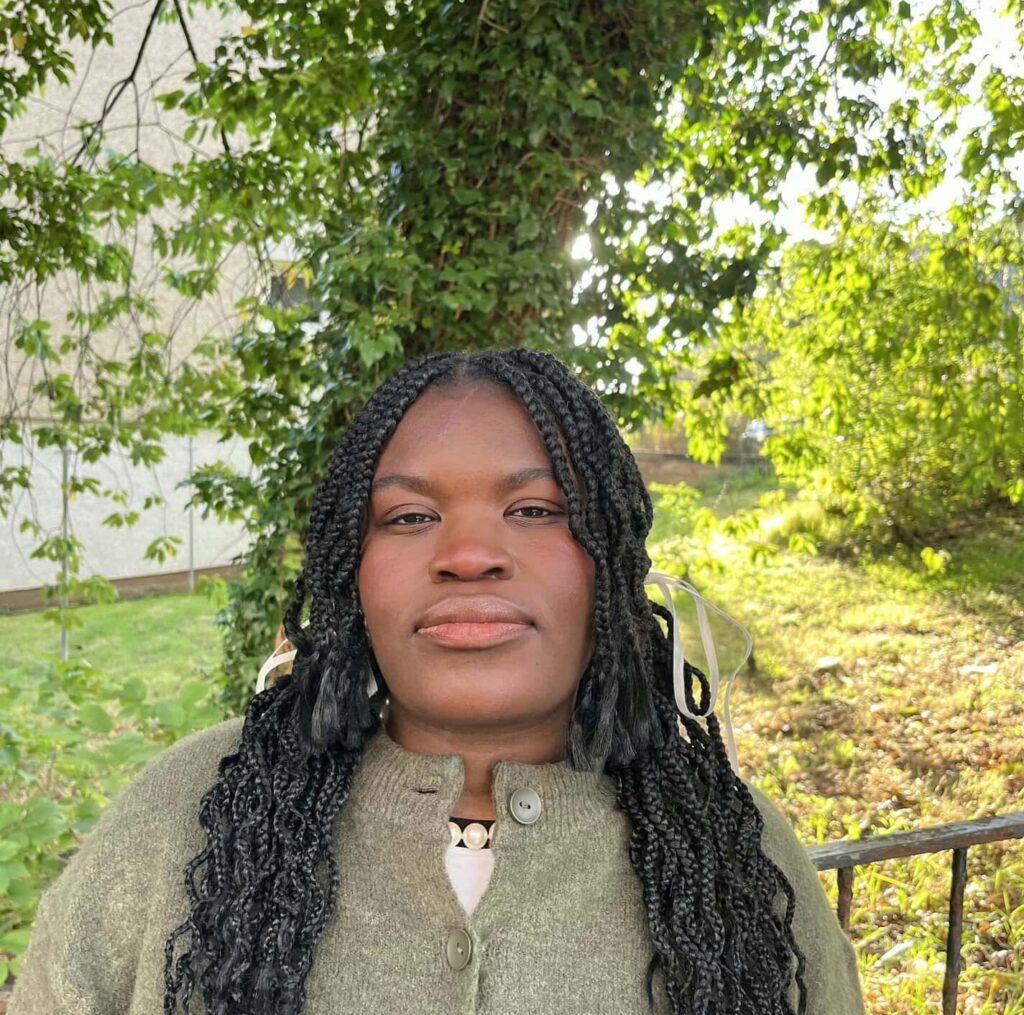
Sequoia Danielle Barnes‘ work is primarily textile art and ceramic sculpture but often involves stitching/embroidery, installation, and assemblage. It is predominately informed by her research-led exploration of black radical art practice which is the creative practice of subverting white supremacy through the (semiotic) deconstruction of black diasporic representation and symbolisms. Her work is also heavily informed by post-structuralist semiotics, and her work is centered around the importance of making processes, rituals, and foregrounding the creation of ‘art’ as equally important as the resulting object.
To learn more about the work of Sequoia Danielle Barnes visit sequoiakoydaniellebarnes.com / @dr_sequoiadendron_giganteum
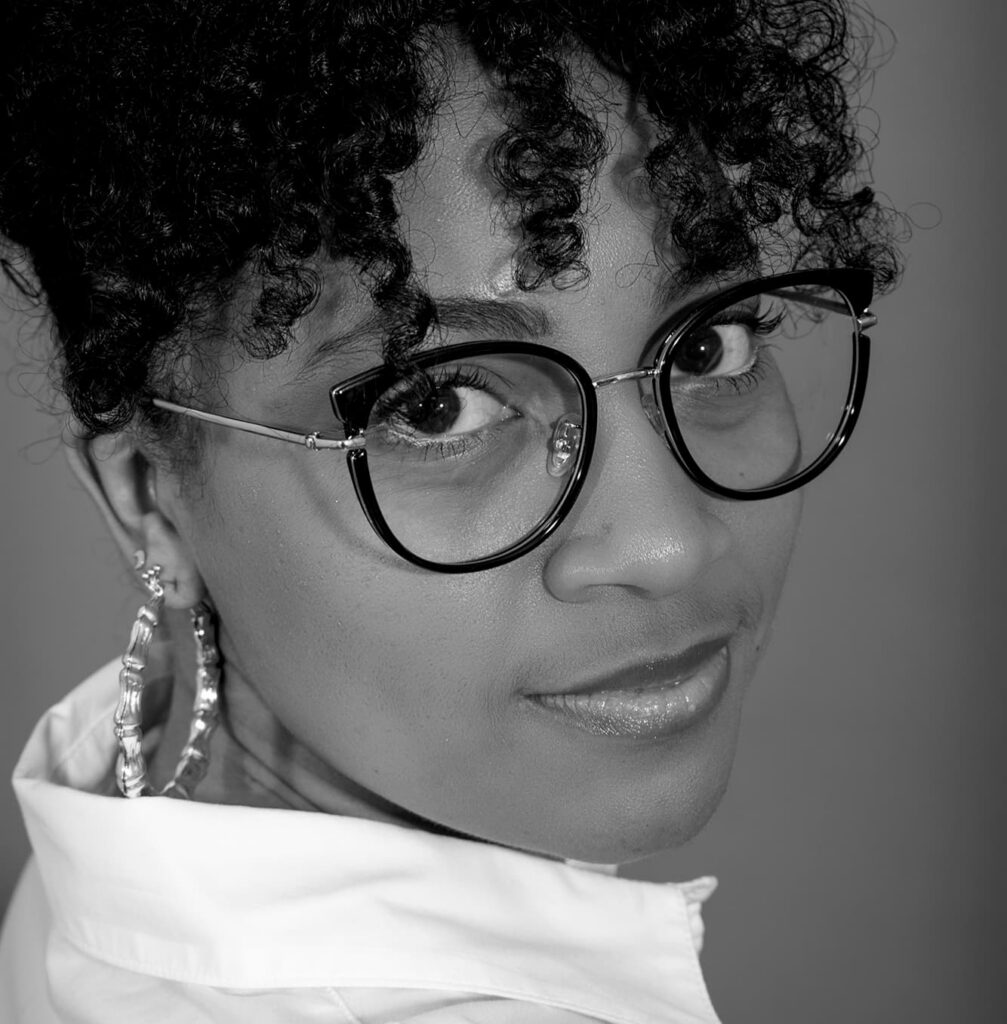
Kaitlyn B. Jones is a social practice scholar, curator, and steward of Black art, Black archives, and Black autonomy.
She is the founder and director of The Black Ordinary, an online multimedia publication, resource hub, and home to the first national database of community archives dedicated to preserving Black American history. Each episode of The Black Ordinary’s seasonal podcast introduces listeners to Black artists, Black community archivists, and Black historians from various parts of the U.S. who are redefining how they interact with institutional archives and substituting traditional museum-based archival practices for a more community-centered approach.
To learn more about the work of Kaitlyn B. Jones visit kaitbjones.com / @kaiteab