
Bibliography
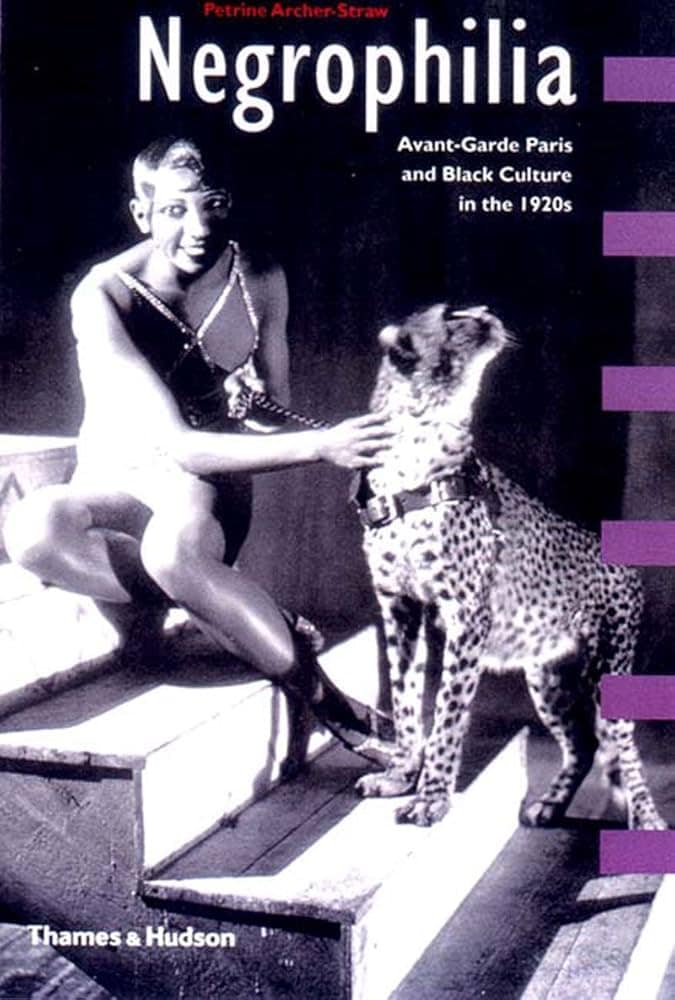
Negrophilia: Avant-Garde Paris and Black Culture in the 1920s
Citation: Archer-Straw, Petrine. Negrophilia: Avant-Garde Paris and Black Culture in the 1920s. New York: Thames & Hudson, 2000.
Summary: In the years after the end of the First World War, large numbers of Africans and African Americans emigrated to the cities of Europe in search of work and improved social conditions. Their impact on white European society was immense. In Paris, where the artistic climate was particularly sensitive and experimental, avant-garde artists courted black personalities such as Josephine Baker, Henry Crowder, and Langston Hughes for their sense of style, vitality, and “otherness.” Leger, Picasso, Brancusi, Man Ray, Giacometti, Sonia Delaunay, and others enthusiastically collected African sculptures and wore tribal jewelry and clothes. More importantly, they adopted black forms in their work, and their style soon influenced a larger audience anxious to be in vogue. A passion for black culture swept through Paris, and by the end of the 1920s, black forms that had provided the initial spark to the modernist vision had become the commercially successful Art Deco style. Negrophilia, from the French negrophilie–the contemporary term to describe the craze–examines this commingling of black and white cultures in jazz-age Paris. Painting, sculpture, photography, popular music, dance, theater, literature, journalism, furniture design, fashion, and advertising–all are scrutinized to show how black forms were appropriated, adapted, and popularized by white artists. The photographs, writings, and memorabilia of poet Guillaume Apollinaire, art collectors Paul Guillaume and Albert Barnes, shipping heiress and publisher Nancy Cunard, and Surrealists Michel Leiris and Georges Bataille help to recreate the contemporary atmosphere. The book raises questions about the avant-garde’s motives, and suggests reasons and meaning for its interest.
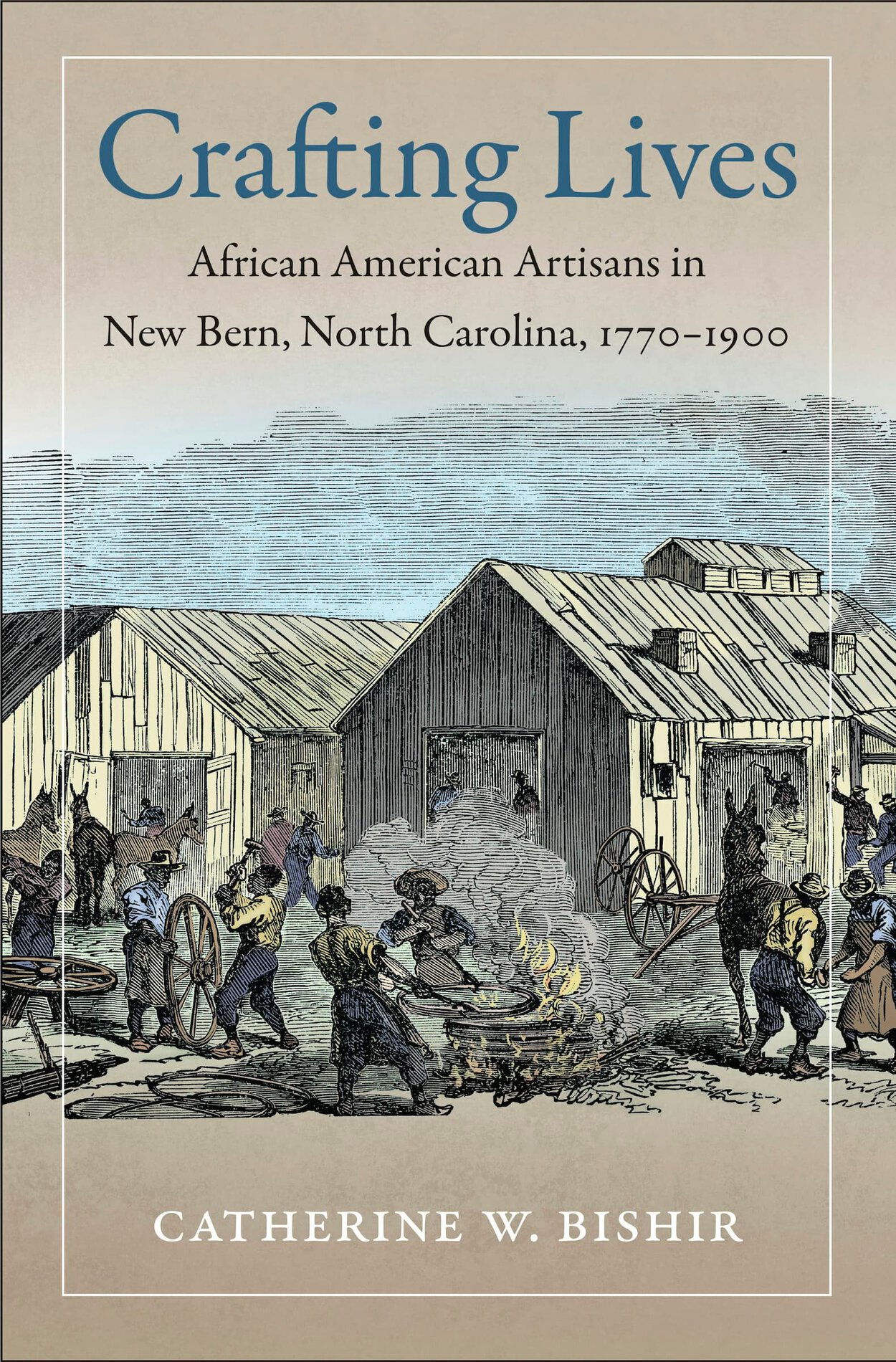
Crafting Lives: African American Artisans in New Bern, North Carolina
Citation: Bishir, Catherine W. Crafting Lives: African American Artisans in New Bern, North Carolina, 1770-1900. Chapel Hill, NC: University of North Carolina Press, 2015.
Summary: From the colonial period onward, black artisans in southern cities — thousands of free and enslaved carpenters, coopers, dressmakers, blacksmiths, saddlers, shoemakers, bricklayers, shipwrights, cabinetmakers, tailors, and others — played vital roles in their communities. Yet only a very few black craftspeople have gained popular and scholarly attention. Catherine W. Bishir remedies this oversight by offering an in-depth portrayal of urban African American artisans in the small but important port city of New Bern. In so doing, she highlights the community’s often unrecognized importance in the history of nineteenth-century black life. Drawing upon myriad sources, Bishir brings to life men and women who employed their trade skills, sense of purpose, and community relationships to work for liberty and self-sufficiency, to establish and protect their families, and to assume leadership in churches and associations and in New Bern’s dynamic political life during and after the Civil War. Focusing on their words and actions, Crafting Lives provides a new understanding of urban southern black artisans’ unique place in the larger picture of American artisan identity.
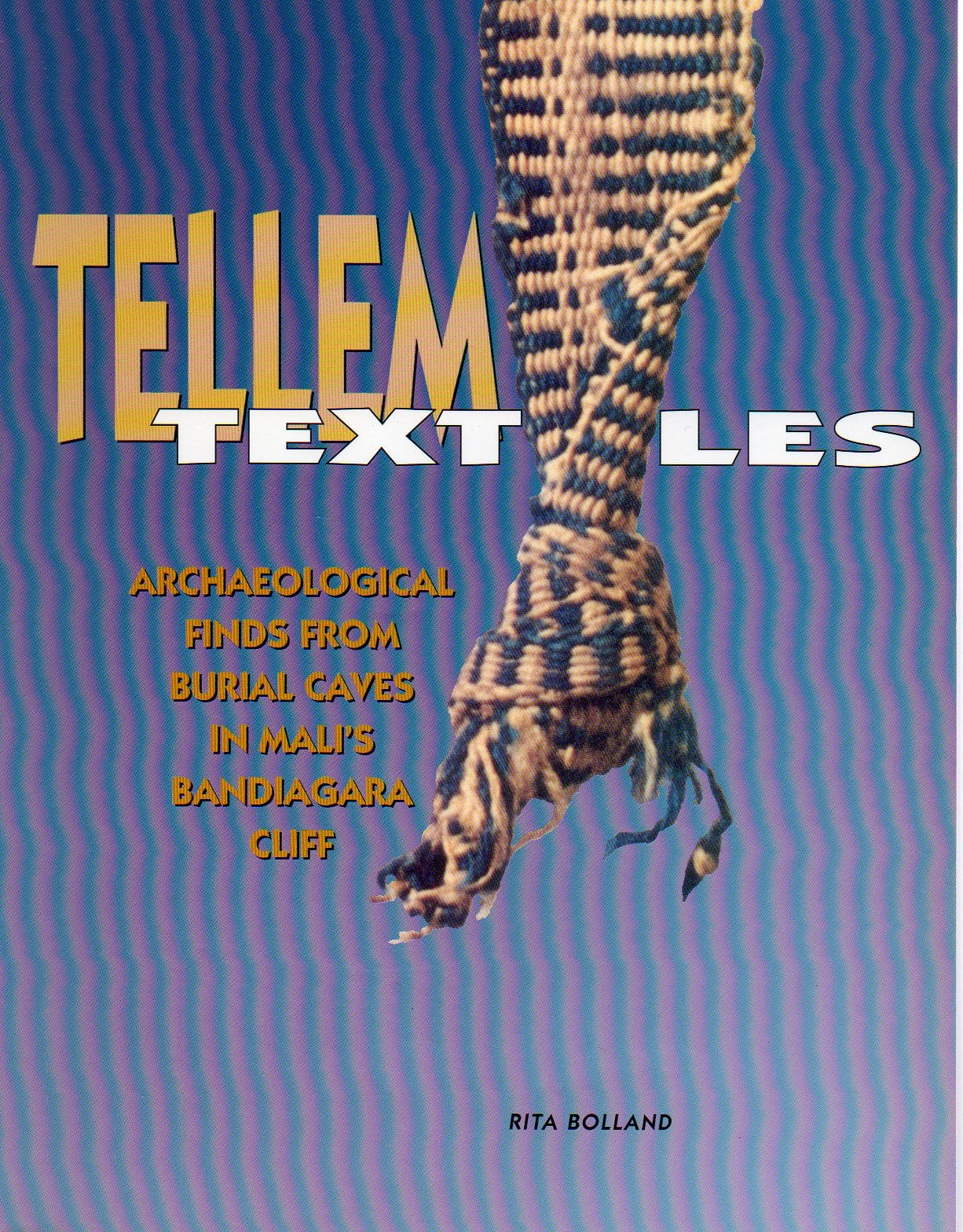
Tellem Textiles: Archaeological finds from burial caves in Mali’s Bandiagara Cliff.
Citation: Bolland, Rita et al. Tellem Textiles: Archaeological finds from burial caves in Mali’s Bandiagara Cliff. Amsterdam: Tropenmuseum (Royal Tropical Institute), 1991
Summary: This book presents a detailed catalogue, depicting and describing roughly 500 textiles found in the Tellem caves, with a report on the conservation and analysis of fibres and dyes. With contributions on African archaeology and African textiles. Introduction, summary and glossary in English and French. Co-production with the National Museum of Ethnology in Leiden and the Musee National in Bamako, Mali.
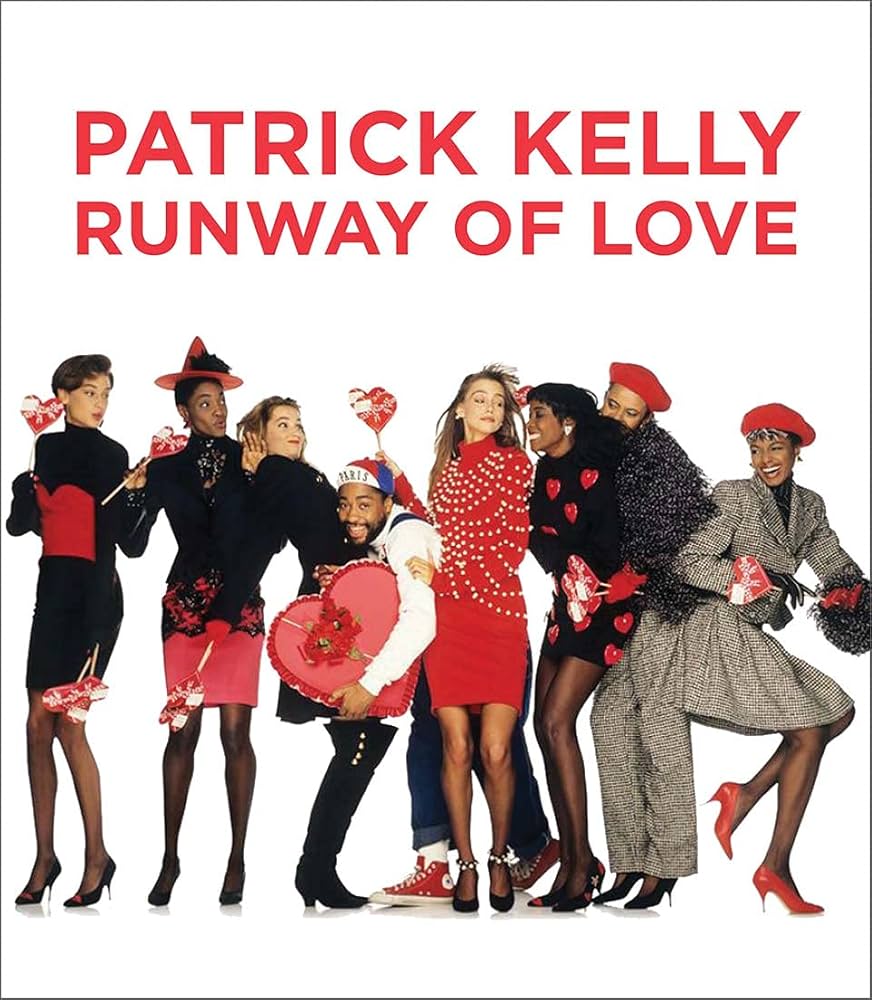
Patrick Kelly: Runway of Love
Citation: Camerlengo, Laura L., and Dilys E. Blum. Patrick Kelly: Runway of Love. San Francisco: Fine Arts Museums of San Francisco, 2022.
Summary: Generously illustrated with hundreds of images of runway photography, garments on mannequins, and never-before-published archival materials, this book is an unprecedented exploration of Patrick Kelly’s influential career, which was tragically cut short by complications from AIDS. More than 80 of Kelly’s most beloved works are featured alongside thoughtful essays focusing on his work in relationship to French fashion, Queer identity, Black identity, and his exuberant runway shows. Also featured is a detailed timeline decorated with archival photographs and drawings, making this volume the definitive resource on Kelly’s life and work.
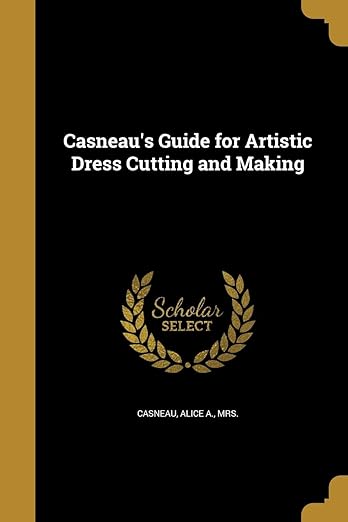
Mrs. Casneau’s Guide for Artistic Dress Cutting and Making
Citation: Casneau, Alica A., Mrs. Casneau’s Guide for Artistic Dress Cutting and Making. Boston: Brooks Bank Note Company Press, 1895.
Summary: Casneau’s Guide for Artistic Dress Cutting and Making is a comprehensive manual on dressmaking from the late 19th century. Authored by Mrs. Alice A. Casneau, this guide provides detailed instructions and techniques for creating fashionable garments. This book offers insights into the dressmaking practices of the era, making it a valuable resource for historical fashion enthusiasts, costume designers, and anyone interested in the art of clothing construction during the late Victorian period. This guide not only serves as a practical handbook but also as a historical document, reflecting the sartorial tastes and social norms of the time. Explore the intricacies of artistic dress cutting and making with this meticulously crafted guide from a bygone era.
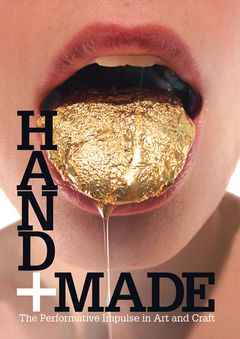
Hand + Made : The Performative Impulse in Art and Craft
Citation: Cassel Oliver, Valerie. Hand + Made : The Performative Impulse in Art and Craft. Houston: Contemporary Arts Museum Houston, 2010.
Summary: Hand + Made is the catalog for the 2010 exhibition of the same name, curated by Valerie Cassel Oliver at the Contemporary Arts Museum in Houston. The publication features essays by Oliver, Glenn Adamson, and Namita Gupta Wiggers, along with rigorous catalog entries by Sarah G. Cassidy. Both the book and the exhibition seek to explore the critical content and performative potential behind the making process and to delve into the conceptual power of contemporary craft.
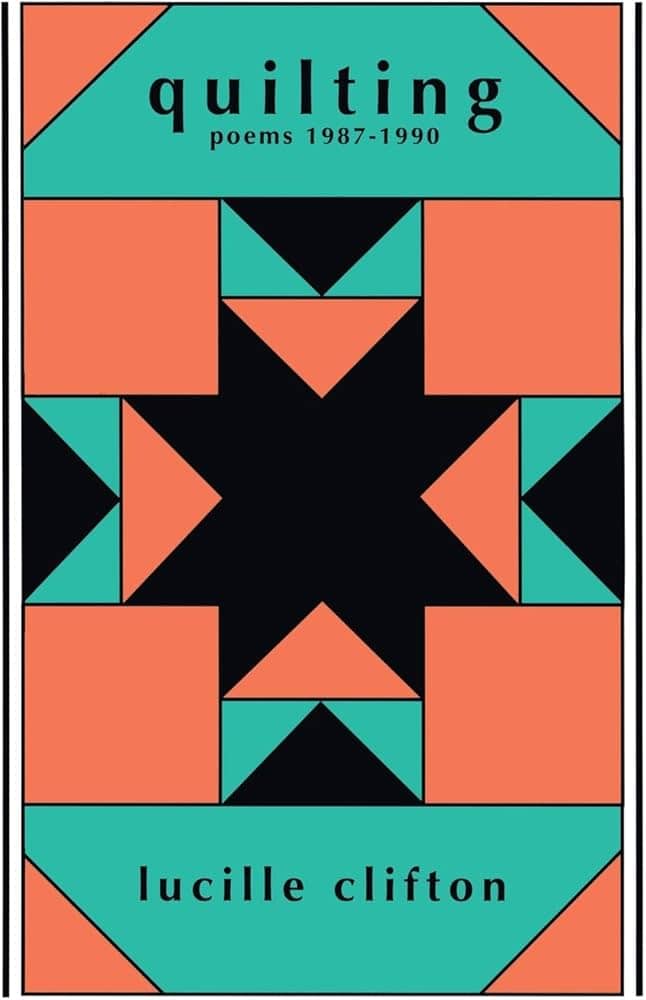
Quilting: Poems, 1987-1990
Citation: Clifton, Lucille. Quilting: Poems, 1987-1990. Rochester: Boa Editions, 1991.
Summary: Brilliantly honed language, sharp rhythms and striking syntax empower Lucille Clifton’s personal and artistic odyssey. Hers is poetry of birth, death, children, community, history, sexuality and spirituality, and she addresses these themes with passion, humor, anger and spiritual awe.
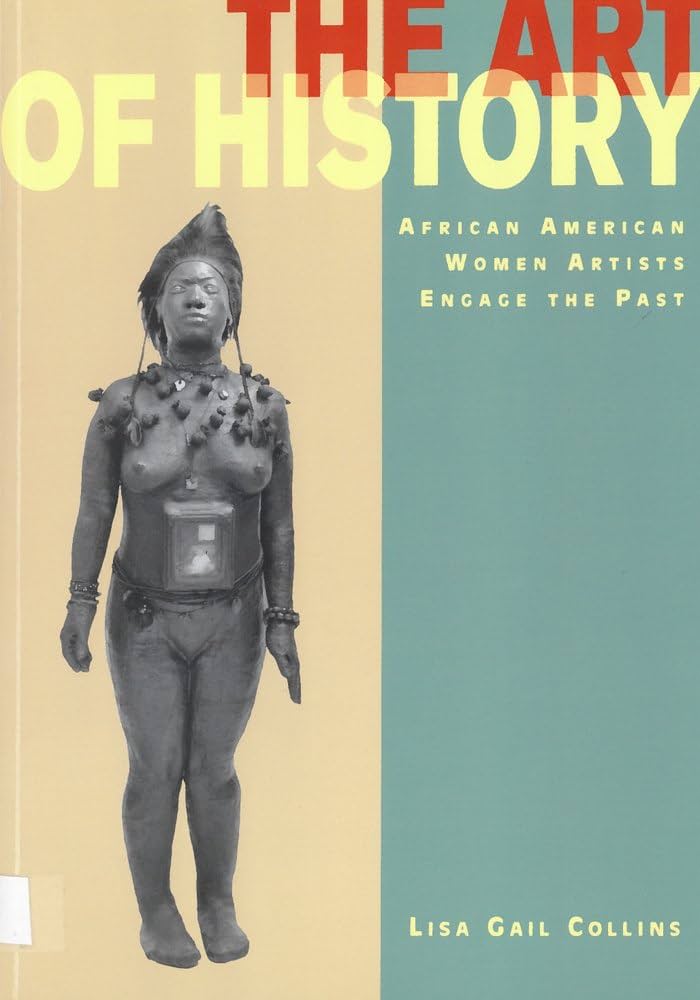
The Art of History: African American Women Artists Engage the Past.
Citation: Collins, Lisa Gail. The Art of History: African American Women Artists Engage the Past. New Brunswick, NJ: Rutgers University Press, 2002.
Summary: In this lively and engaging book, Lisa Gail Collins examines the work of contemporary African American women artists. Her study comes at a time when an unprecedented number of these artists—photographers, filmmakers, painters, installation and mixed-media artists—have garnered the attention and imagination of the art-viewing public. To better understand the significance of this particular historical moment in American visual arts, Collins focuses on four “problems” that recur when these artists confront their histories: the documentation of truth; the status of the black female body; the relationship between art and cultural contact and change; and the relationship between art and black girlhood. By examining the social and cultural histories which African American women artists engage, Collins illuminates a dialogue between past and present imagemakers.
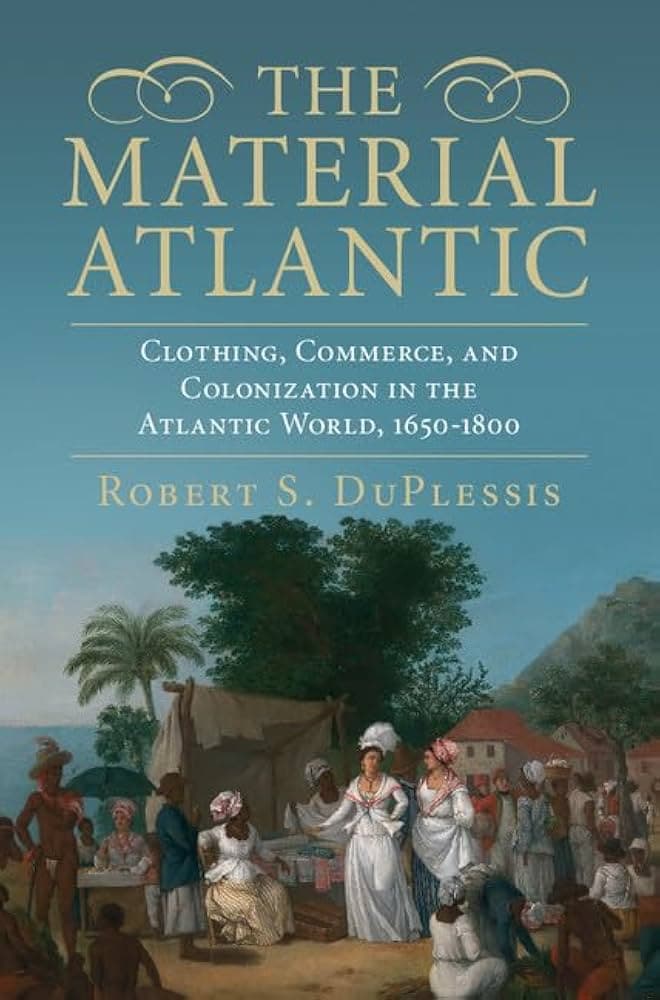
The Material Atlantic: Clothing, Commerce, and Colonization in the Atlantic World
Citation: DuPlessis, Robert S. The Material Atlantic: Clothing, Commerce, and Colonization in the Atlantic World, 1650–1800. Cambridge: Cambridge University Press, 2016.
Summary: In this wide-ranging account, Robert DuPlessis examines globally sourced textiles that by dramatically altering consumer behavior, helped create new economies and societies in the early modern world. This deeply researched history of cloth and clothing offers new insights into trade patterns, consumer demand and sartorial cultures that emerged across the Atlantic world between the mid-seventeenth and late-eighteenth centuries. As a result of European settlement and the construction of commercial networks stretching across much of the planet, men and women across a wide spectrum of ethnicities, social standings and occupations fashioned their garments from materials old and new, familiar and strange, and novel meanings came to be attached to different fabrics and modes of dress. The Material Atlantic illuminates crucial developments that characterized early modernity, from colonialism and slavery to economic innovation and new forms of social identity.
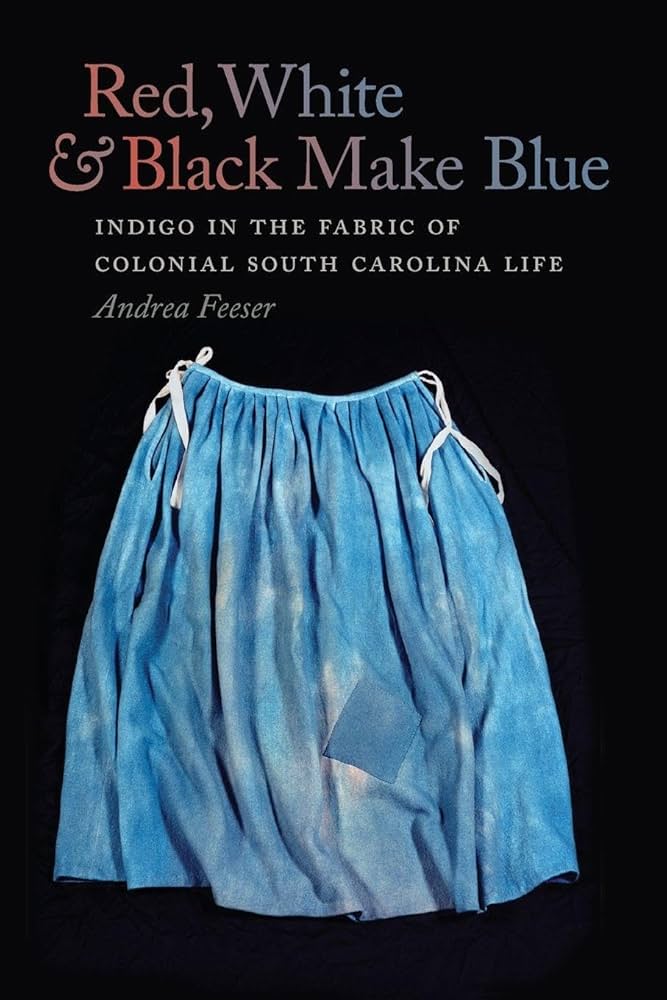
Red, White, and Black Make Blue: Indigo in the Fabric of Colonial South Carolina Life
Citation: Feeser, Andrea. Red, White, and Black Make Blue: Indigo in the Fabric of Colonial South Carolina Life. Athens, GA: The University of Georgia Press, 2014.
Summary: In Red, White, and Black Make Blue, Andrea Feeser tells the stories of all the peoples who made indigo a key part of the colonial South Carolina experience as she explores indigo’s relationships to land use, slave labor, textile production and use, sartorial expression, and fortune building. In the eighteenth century, indigo played a central role in the development of South Carolina. The popularity of the color blue among the upper and lower classes ensured a high demand for indigo, and the climate in the region proved sound for its cultivation. Cheap labor by slaves―both black and Native American―made commoditization of indigo possible. And due to land grabs by colonists from the enslaved or expelled indigenous peoples, the expansion into the backcountry made plenty of land available on which to cultivate the crop. Feeser recounts specific histories―uncovered for the first time during her research―of how the Native Americans and African slaves made the success of indigo in South Carolina possible. She also emphasizes the material culture around particular objects, including maps, prints, paintings, and clothing. Red, White, and Black Make Blue is a fraught and compelling history of both exploitation and empowerment, revealing the legacy of a modest plant with an outsized impact.

Liberated Threads: Black Women, Style, and the Global Politics of Soul.
Citation: Ford, Tanisha C. Liberated Threads: Black Women, Style, and the Global Politics of Soul. Chapel Hill: The University of North Carolina Press, 2017.
Summary: From the civil rights and Black Power era of the 1960s through antiapartheid activism in the 1980s and beyond, black women have used their clothing, hair, and style not simply as a fashion statement but as a powerful tool of resistance. Whether using stiletto heels as weapons to protect against police attacks or incorporating African-themed designs into everyday wear, these fashion-forward women celebrated their identities and pushed for equality. In this thought-provoking book, Tanisha C. Ford explores how and why black women in places as far-flung as New York City, Atlanta, London, and Johannesburg incorporated style and beauty culture into their activism. Focusing on the emergence of the “soul style” movement—represented in clothing, jewelry, hairstyles, and more—Liberated Threads shows that black women’s fashion choices became galvanizing symbols of gender and political liberation. Drawing from an eclectic archive, Ford offers a new way of studying how black style and Soul Power moved beyond national boundaries, sparking a global fashion phenomenon. Following celebrities, models, college students, and everyday women as they moved through fashion boutiques, beauty salons, and record stores, Ford narrates the fascinating intertwining histories of Black Freedom and fashion.
A Communion of the Spirits: African-American Quilters, Preservers, and Their Stories.
Citation: Freeman, Roland. A Communion of the Spirits: African-American Quilters, Preservers, and Their Stories. Nashville: Rutledge Hill Press, 1996.
Summary: This book looks at the wide variety of roles that quilting plays in African American life, including physical, spiritual, cultural, and historical roles.
Conversations With Ogotemmeli: An Introduction to Dogon Religious Ideas.
Citation: Griaule, Marcel. Conversations With Ogotemmeli: An Introduction to Dogon Religious Ideas. Oxford: Oxford University Press, 1965.
Summary: Originally published in 1948 as Dieu d’Eau, this near-classic offers a unique and first-hand account of the myth, religion, and philosophy of the Dogan, a Sudanese people.
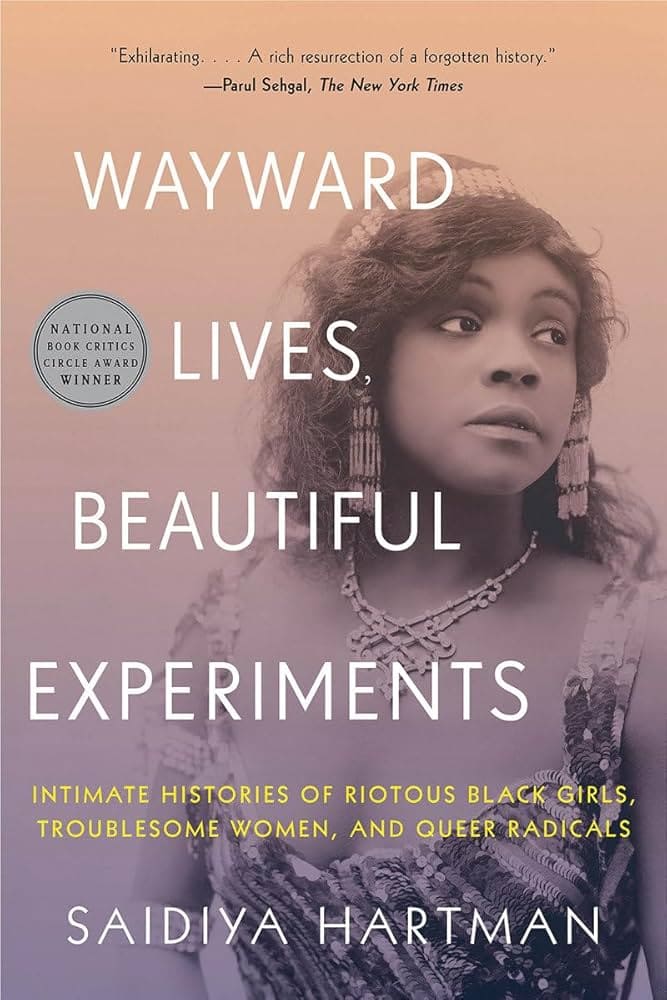
Wayward Lives, Beautiful Experiments: Intimate Histories of Riotous Black Girls, Troublesome Women, and Queer Radicals.
Citation: Hartman, Saidiya. Wayward Lives, Beautiful Experiments: Intimate Histories of Riotous Black Girls, Troublesome Women, and Queer Radicals. New York: W.W. Norton & Company, 2020.
Summary: Beautifully written and deeply researched, Wayward Lives, Beautiful Experiments examines the revolution of black intimate life that unfolded in Philadelphia and New York at the beginning of the twentieth century. In wrestling with the question of what a free life is, many young black women created forms of intimacy and kinship indifferent to the dictates of respectability and outside the bounds of law. They cleaved to and cast off lovers, exchanged sex to subsist, and revised the meaning of marriage. Longing and desire fueled their experiments in how to live. They refused to labor like slaves or to accept degrading conditions of work. Here, for the first time, these women are credited with shaping a cultural movement that transformed the urban landscape. Through a melding of history and literary imagination, Wayward Lives, Beautiful Experiments recovers these women’s radical aspirations and insurgent desires.
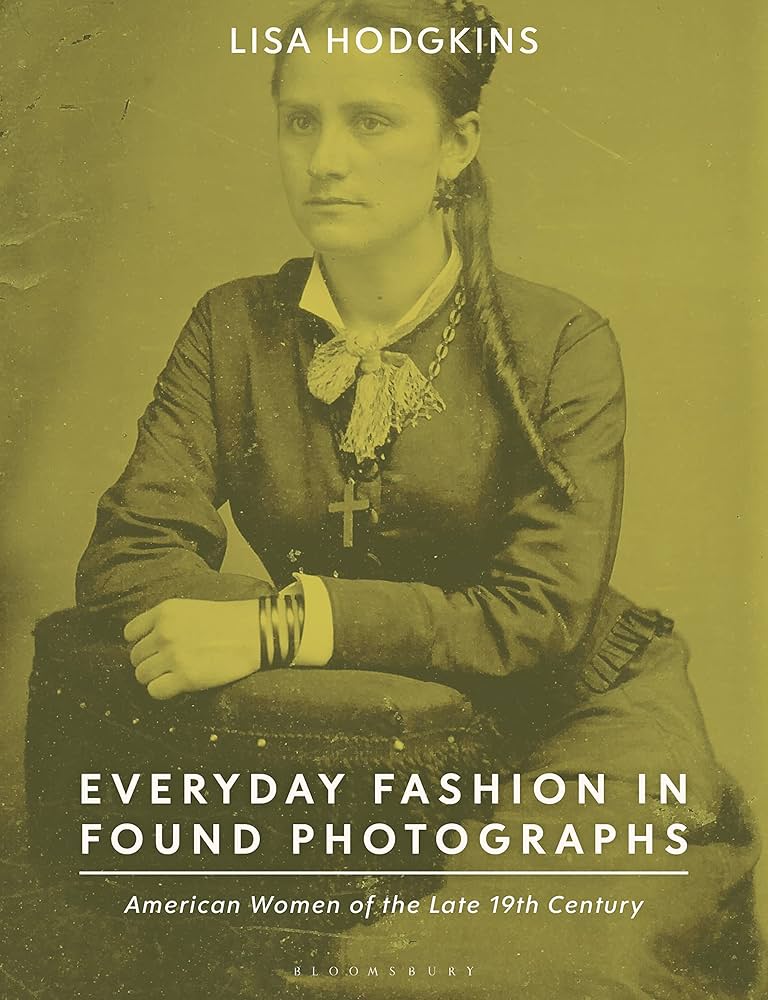
Everyday Fashion in Found Photographs: American Women of the Late 19th Century
Citation: Hodgkins, Lisa. Everyday Fashion in Found Photographs: American Women of the Late 19th Century. London: Bloomsbury Visual Arts, 2022.
Summary: In the last half of the 19th century, the women of America were beginning to develop their own sense of style. Although influenced by European fashions and the social and economic changes of the time, they made clothing choices based upon their personal aspirations and their practical everyday needs. Providing an overview of fashion influences for each decade from the 1860s to the end of the century, Everyday Fashion in Found Photographs presents iconic garments, using sources from the period, to provide commentary and detailed description of the styles of the time. Previously unpublished vintage photographs show women across the social spectrum wearing items such as the Garibaldi shirt, the cuirass bodice, the Mother Hubbard, bicycle bloomers, and much more. Names, dates and functions of garments are examined in detail, and ties are established between social and historical contexts and the evolution of clothing styles.
All About Love: New Visions
Citation: hooks, bell. All About Love: New Visions. New York: William Morrow, 2001.
Summary: “The word ‘love’ is most often defined as a noun, yet we would all love better if we used it as a verb,” writes bell hooks as she comes out fighting and on fire in All About Love. Provocative and intensely personal, renowned scholar, cultural critic and feminist bell hooks offers a proactive new ethic for a society stricken with lovelessness—not the lack of romance, but the lack of care, compassion, and unity. People are divided, she declares, by society’s failure to provide a model for learning to love. In this landmark book, bell hooks explores the question “What is love?” Her answers strike at both the mind and heart. Disputing that the ideal love is infused with sex and desire, she provides a new path to love that is sacred, redemptive, and healing for individuals and for a nation. All About Love is a powerful, timely affirmation of just how profoundly love and community can change hearts and minds for the better.
Belonging: A Culture of Place
Citation: hooks, bell. Belonging: A Culture of Place. New York: Routledge, 2009.
Summary: What does it mean to call a place home? Who is allowed to become a member of a community? How do we create community? When can we say that we truly belong? The issues of place and belonging are the subject of this book. Moving from past to present, the author charts a journey in which she moves from place to place, from country to city and back again, only to end where she began in her native place, Kentucky. She explores a geography of the heart, focusing on issues of homeplace, of land, and land stewardship, linking the issues to global environmentalism and sustainability. She writes about family and the ties that bind. And she focuses on the experience of black farmers, past and present who celebrate local organic food production. This work offers a vision of a world where all people, wherever they call home, can live fully and well, and where everyone can belong.
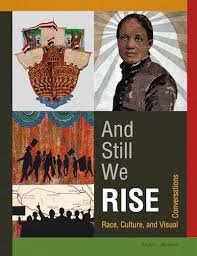
And Still We Rise: Race, Culture, and Visual Conversations
Citation: Mazloomi, Carolyn. And Still We Rise: Race, Culture, and Visual Conversations. Atglen, PA: Schiffer Publishing Ltd., 2016.
Summary: Contemporary quilt artists trace the path of black history in the United States with ninety-seven original works exploring important events, places, people, and ideas over 400 years. Arranged in chronological order, quilt themes include the first enslaved people brought over by Dutch traders in 1619, the brave souls marching for civil rights, the ascendant influence of African American culture on the American cultural landscape, and the election of the first African American president. Other quilts commemorate and celebrate cultural milestones and memories, such as the first African American teacher, the Buffalo Soldier, the first black man to play Othello on Broadway, Muhammed Ali, and Maya Angelou’s I Know Why the Caged Bird Sings. The sixty-nine artists who contributed works for this curated collection provide narrative explaining the important stories and histories behind the quilts.
Black hair/style politics
Citation: Mercer, Kobena. “Black hair/style politics.” New Formations no. 3 (1987).
Summary: Starting with the famous incident in which Michael Jackson’s heavily treated hair caught fire during the filming of a Pepsi commercial, Mercer looks at the political and cultural implications of contemporary black hairstyles, including the Afro, dreadlocks and the conk. The symbolic – as well as natural – properties of hair and hair styling are considered in relation to a number of influential figures and groups: the Rastafari, the Black Panthers and Malcolm X, among others. Comparisons are made with other hair-oriented cultural phenomena, such as the hippy movement and the musical Hair.
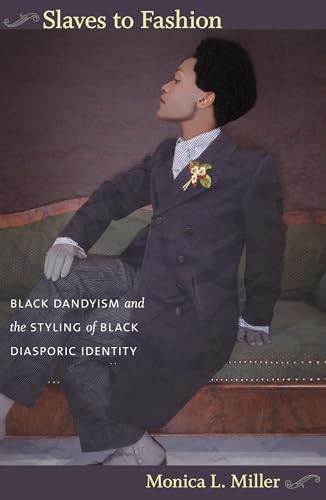
Slaves to Fashion: Black Dandyism and the Styling of Black Diasporic Identity
Citation: Miller, Monica L. Slaves to Fashion: Black Dandyism and the Styling of Black Diasporic Identity. Durham, N.C: Duke University Press, 2009.
Summary: Slaves to Fashion is a pioneering cultural history of the black dandy, from his emergence in Enlightenment England to his contemporary incarnations in the cosmopolitan art worlds of London and New York. It is populated by sartorial impresarios such as Julius Soubise, a freed slave who sometimes wore diamond-buckled, red-heeled shoes as he circulated through the social scene of eighteenth-century London, and Yinka Shonibare, a prominent Afro-British artist who not only styles himself as a fop but also creates ironic commentaries on black dandyism in his work. Interpreting performances and representations of black dandyism in particular cultural settings and literary and visual texts, Monica L. Miller emphasizes the importance of sartorial style to black identity formation in the Atlantic diaspora.
Black Hair Haptics: Touch and Transgressing the Black Female Body
Citation: Morrison, Amani. “Black Hair Haptics: Touch and Transgressing the Black Female Body.” Meridians 17, no. 1 (September 2018): 82–96.
Summary: In the United States, black hair—that is, the hair of African-descended peoples—has a long and fraught political, economic, and social history that informs its contemporary reception: at the interstices of self-making, aesthetic expression, and respectability politics, black hair has been both overdetermined and underexplored as a site of intellectual inquiry. This essay aims to offer a critical examination of natural black hair as a central site of interpersonal negotiation for black women in the United States. Drawing on performance studies, cultural studies, and black feminist studies, this essay offers black hair haptics as an analytic for the racialized and gendered dimensions of quotidian public interpersonal engagement with black hair as an extension of the black body. This piece argues that black hair is a unique site of analysis for transgressions of socially appropriate interpersonal interaction.
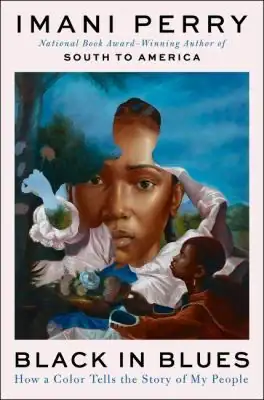
Black in Blues: How a Color Tells the Story of My People.
Citation: Perry, Imani. Black in Blues: How a Color Tells the Story of My People. New York: Ecco, 2026.
Summary: Throughout history, the concept of Blackness has been remarkably intertwined with another color: blue. In this book, celebrated author Imani Perry uses the world’s favorite color as a springboard for a riveting emotional, cultural, and spiritual journey—an examination of race and Blackness that transcends politics or ideology. Perry traces both blue and Blackness from their earliest roots to their many embodiments of contemporary culture, drawing deeply from her own life as well as art and history: The dyed indigo cloths of West Africa that were traded for human life in the 16th century. The mixture of awe and aversion in the old-fashioned characterization of dark-skinned people as “Blue Black.” The fundamentally American art form of blues music, sitting at the crossroads of pain and pleasure. The blue flowers Perry plants to honor a loved one gone too soon.
Of Salt and Spirit : Black Quilters in the American South
Citation: Plummer, Sharbreon. Of Salt and Spirit : Black Quilters in the American South. Jackson, MS: Mississippi Museum of Art, 2024.
Summary: This book surveys some of the richly diverse quiltmaking traditions maintained by Black women in the US South during the twentieth and twenty-first centuries. Drawn from the Mississippi Museum of Art’s holdings, the works featured in this publication highlight a major 2022 gift of quilts collected by renowned Black folklife documentarian Roland L. Freeman. Over sixty handmade quilts, quilters’ portraits, and related objects together emphasize the importance of Mississippi and the broader South as foundational sites of knowledge production and artistic development. In earlier studies of African American quilters, Freeman observed that popular interest in quilts had resulted in “insufficient attention to who these quilters were, what quilting meant in their lives and what it represented within their community.” While quilt revivals in the 1970s and ’80s generated renewed interest in how geography and autobiography inform quiltmaking, there has been minimal consideration of the nuanced roles that race, gender, and class play in shaping the public’s understanding of quilting traditions and techniques. Prevailing scholarship continues to frame Black southern quiltmaking as an exclusively improvisational art form. Of Salt and Spirit intervenes in this narrative by foregrounding the complex relational and archival practices of Black women quilters who cultivate networks of mutual support and preserve personal histories around and through their craft.

We Flew Over the Bridge: The Memoirs of Faith Ringgold
Citation: Ringgold, Faith. We Flew Over the Bridge: The Memoirs of Faith Ringgold. Durham: Duke University Press, 2005.
Summary: In We Flew over the Bridge, one of the country’s preeminent African American artists—and award-winning children’s book authors—shares the fascinating story of her life. Faith Ringgold’s artworks—startling “story quilts,” politically charged paintings, and more—hang in the Studio Museum in Harlem, the Metropolitan Museum of Art, the Guggenheim Museum, the Museum of Modern Art, and other major museums around the world, as well as in the private collections of Maya Angelou, Bill Cosby, and Oprah Winfrey. Her children’s books, including the Caldecott Honor Book Tar Beach, have sold hundreds of thousands of copies. But Ringgold’s path to success has not been easy. In this gorgeously illustrated memoir, she looks back and shares the story of her struggles, growth, and triumphs. Ringgold recollects how she had to surmount a wall of prejudices as she worked to refine her artistic vision and raise a family. At the same time, the story she tells is one of warm family memories and sustaining friendships, community involvement, and hope for the future.
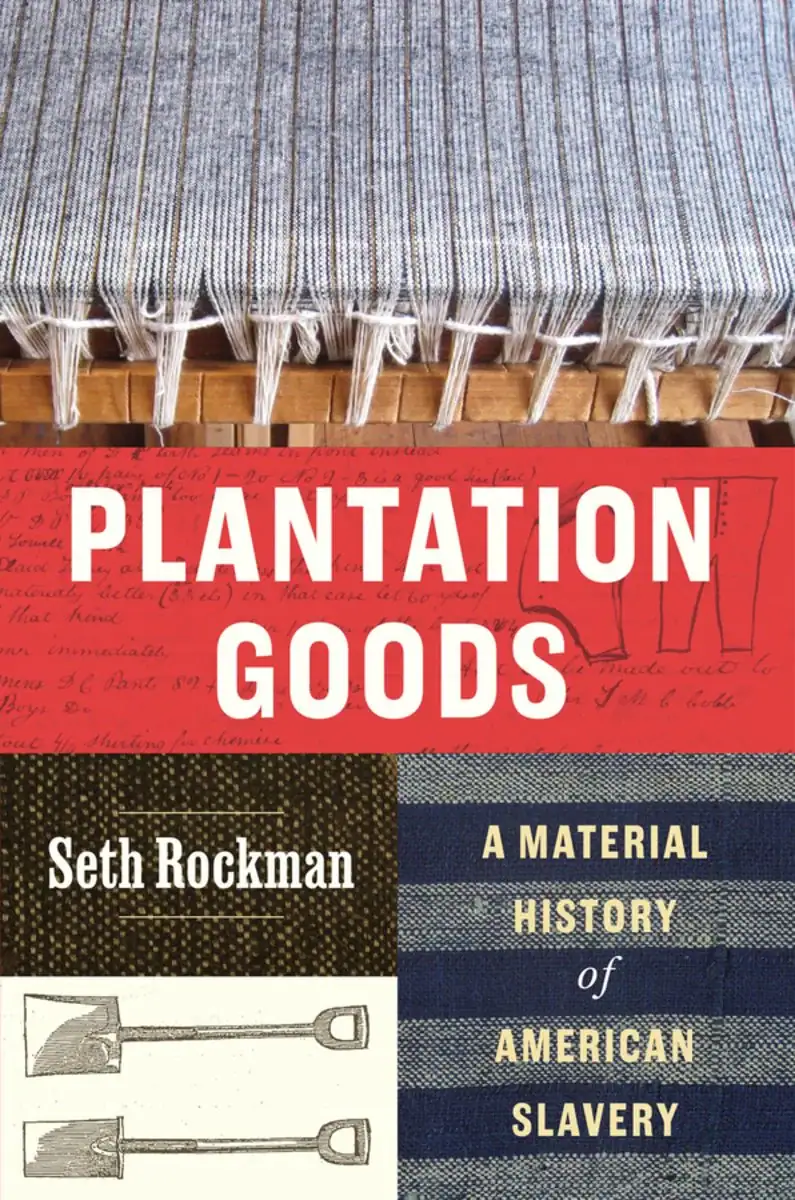
Plantation Goods: A Material History of American Slavery
Citation: Rockman, Seth. Plantation Goods: A Material History of American Slavery. Chicago: University of Chicago Press, 2024.
Summary: The industrializing North and the agricultural South—that’s how we have been taught to think about the United States in the early nineteenth century. But in doing so, we overlook the economic ties that held the nation together before the Civil War. We miss slavery’s long reach into small New England communities, just as we fail to see the role of Northern manufacturing in shaping the terrain of human bondage in the South. Using plantation goods—the shirts, hats, hoes, shovels, shoes, axes, and whips made in the North for use in the South—historian Seth Rockman locates the biggest stories in American history in the everyday objects that stitched together the lives and livelihoods of Americans—white and Black, male and female, enslaved and free—across an expanding nation.
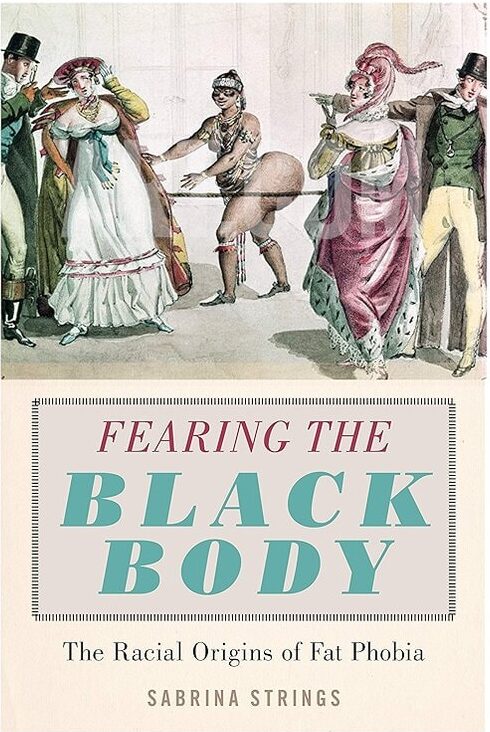
Fearing the Black Body: The Racial Origins of Fat Phobia
Citation: Strings, Sabrina. Fearing the Black Body: The Racial Origins of Fat Phobia. New York: NYU Press, 2019.
Summary: Strings weaves together an eye-opening historical narrative ranging from the Renaissance to the current moment, analyzing important works of art, newspaper and magazine articles, and scientific literature and medical journals—where fat bodies were once praised—showing that fat phobia, as it relates to Black women, did not originate with medical findings, but with the Enlightenment era belief that fatness was evidence of “savagery” and racial inferiority. The author argues that the contemporary ideal of slenderness is, at its very core, racialized and racist. Indeed, it was not until the early twentieth century, when racialized attitudes against fatness were already entrenched in the culture, that the medical establishment began its crusade against obesity. An important and original work, Fearing the Black Body argues convincingly that fat phobia isn’t about health at all, but rather a means of using the body to validate race, class, and gender prejudice.
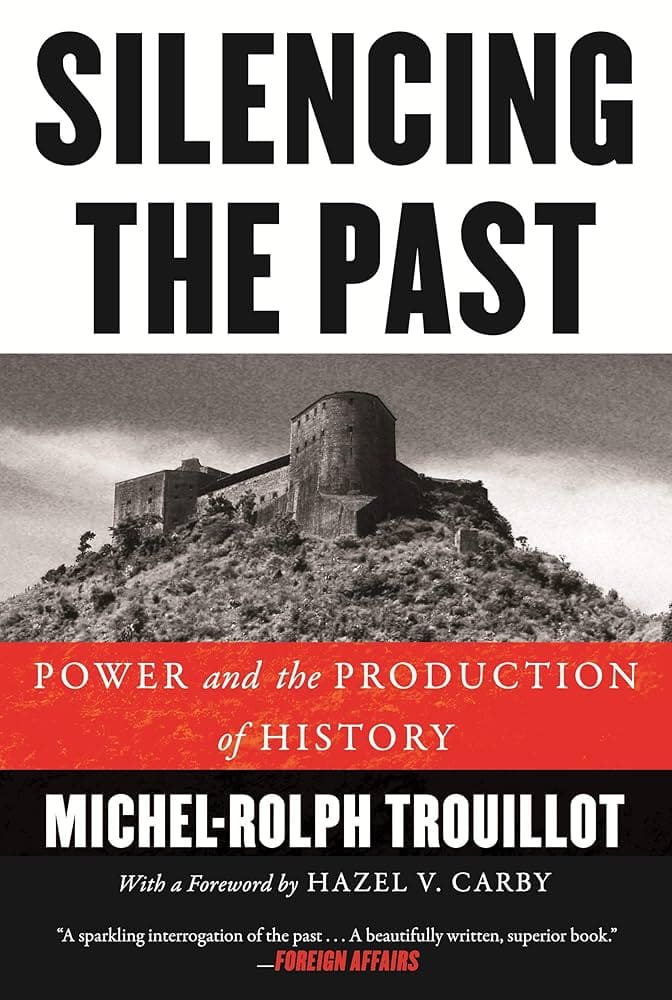
Silencing the Past: Power and the Production of History
Citation: Trouillot, Michel-Rolph. Silencing the Past: Power and the Production of History. Boston: Beacon Press, 1995.
Summary: Placing the West’s failure to acknowledge the Haitian Revolution—the most successful slave revolt in history—alongside denials of the Holocaust and the debate over the Alamo, Michel-Rolph Trouillot offers a stunning meditation on how power operates in the making and recording of history. This modern classic resides at the intersection of history, anthropology, Caribbean, African-American, and post-colonial studies, and has become a staple in college classrooms around the country. Trouillot analyzes the silences in our historical narratives, what is left out and what is recorded, what is remembered and what is forgotten, and what these silences reveal about inequalities of power. With exacting precision, he exposes forces less visible—but no less powerful—than gunfire, property, and political crusades in shaping the production of history.
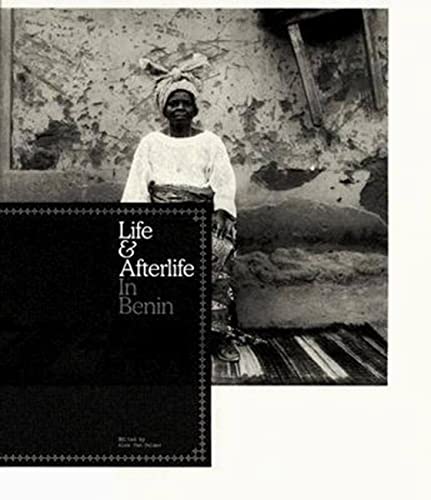
Life and Afterlife in Benin
Citation: Van Gelder, Alex, ed. Life and Afterlife in Benin. New York: Phaidon Press, 2005.
Summary: This remarkable collection highlights the work of nine photographers from Benin, working predominantly during the 1960s and 1970s. Their art marks a significant, yet often overlooked, milestone in the history of African photography. While the global spotlight has long focused on the celebrated Bamako School of Mali and its masters, Seydou Keïta and Malick Sidibé, this Beninese collection opens a new and distinctive chapter. The portraits from Benin are distinguished by their dramatic lighting, mystical undertones, and a profound sense of narrative. The photographers documented individuals poised between a pre-colonial past and a postcolonial future, capturing moments of transformation and tension. For many subjects, this photograph would be their first—and perhaps only—encounter with a camera. The collection is more than a record of conventional milestones such as weddings, communions, and family portraits. Among the images are startling and evocative scenes: revenants and juju men, voodoo priests and priestesses, thieves and murderers, prostitutes and pimps. Perhaps most striking are the sequences of deathbed portraits, which speak to the role of photography not just in life, but also in the afterlife.
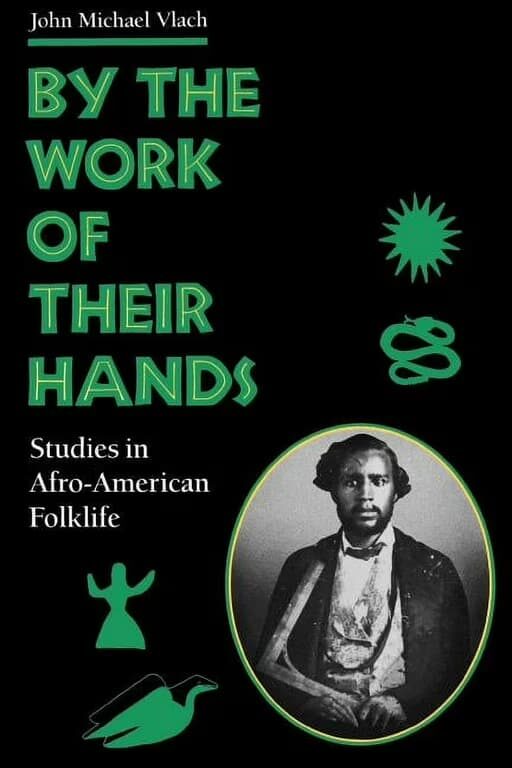
By The Work of their Hands: Studies in Afro-American Folklife
Citation: Vlach, John M. By The Work of their Hands: Studies in Afro-American Folklife. Charlottesville: University of Virginia Press, 1992.
Summary: In this book, America’s foremost scholar of African-American folklife revolutionizes our understanding of Afro-American material culture. Bringing to the essays his extensive research into the written, oral, and material sources of Afro-American culture as well as his impressive scholarly knowledge of folklife, social history, anthropology, and art history, Vlach presents the evidence of African influence on black American folklife, both past and present.
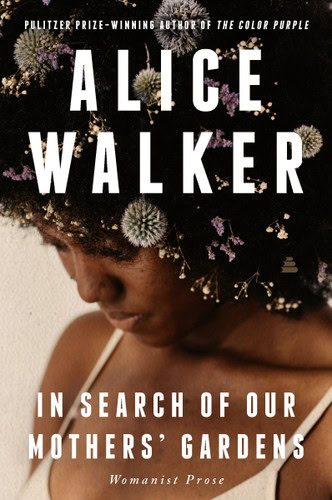
In Search of Our Mothers’ Gardens: Womanist Prose
Citation: Walker, Alice. In Search of Our Mothers’ Gardens: Womanist Prose. Orlando: Harcourt, 1983.
Summary: In this, her first collection of nonfiction, the author speaks out as a Black woman, writer, mother, and feminist in thirty-six pieces ranging from the personal to the political. Among the contents are essays about other writers, accounts of the civil rights movement of the 1960s and the antinuclear movement of the 1980s, and a vivid memoir of a scarring childhood injury and her daughter’s healing words.
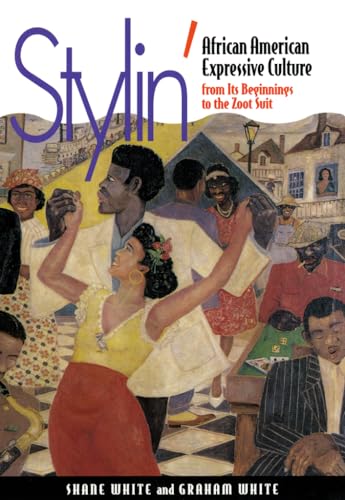
Stylin’: African American Expressive Culture From its Beginnings to the Zoot Suit
Citation: White, Shane, and Graham J. White. Stylin’: African American Expressive Culture From its Beginnings to the Zoot Suit. Ithaca, N.Y: Cornell University Press, 1998.
Summary: For over two centuries, in the North as well as the South, both within their own community and in the public arena, African Americans have presented their bodies in culturally distinctive ways. Shane White and Graham White consider the deeper significance of the ways in which African Americans have dressed, walked, danced, arranged their hair, and communicated in silent gestures. They ask what elaborate hair styles, bright colors, bandanas, long watch chains, and zoot suits, for example, have really meant, and discuss style itself as an expression of deep-seated cultural imperatives. Their wide-ranging exploration of black style from its African origins to the 1940s reveals a culture that differed from that of the dominant racial group in ways that were often subtle and elusive.