
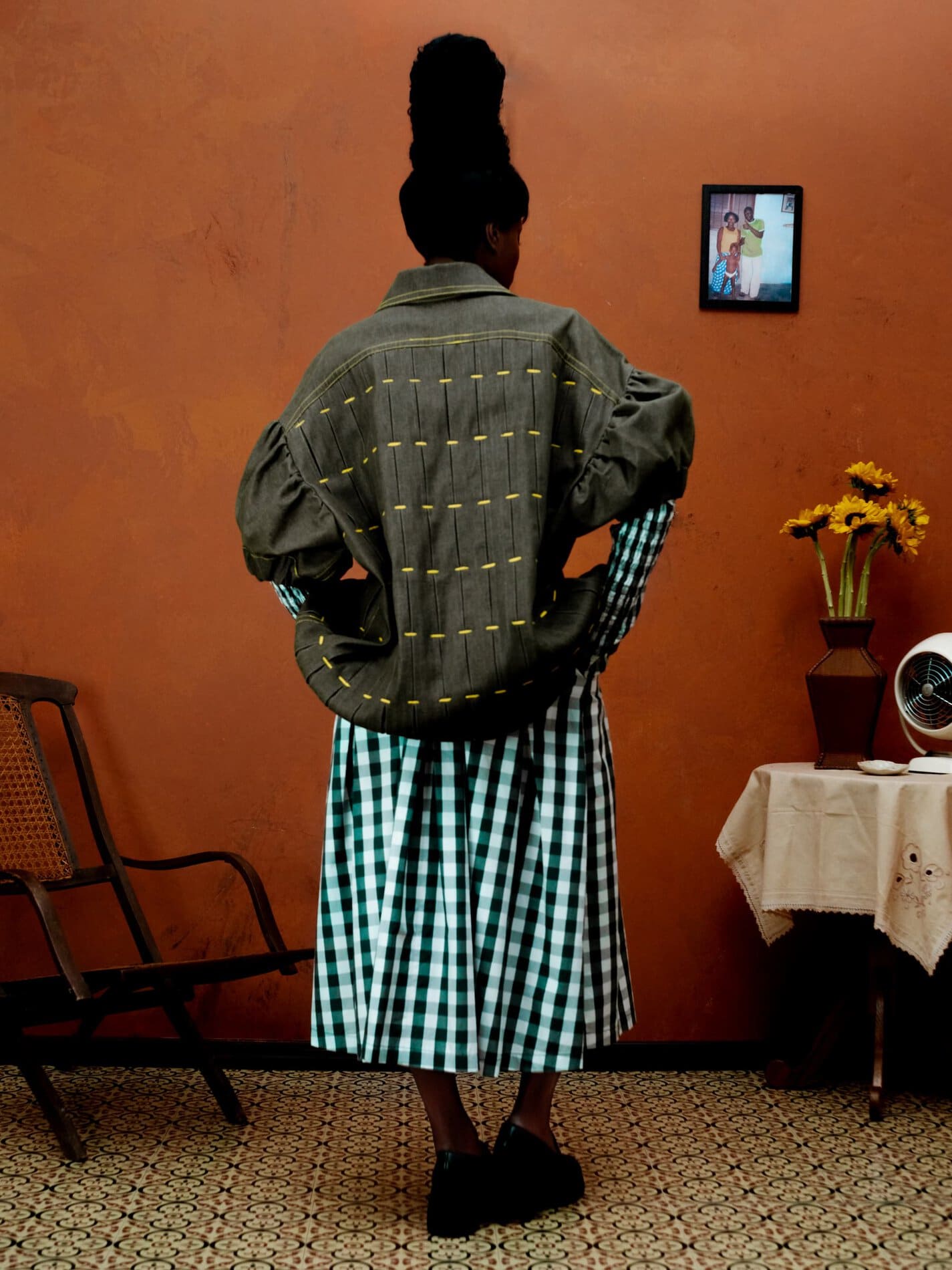
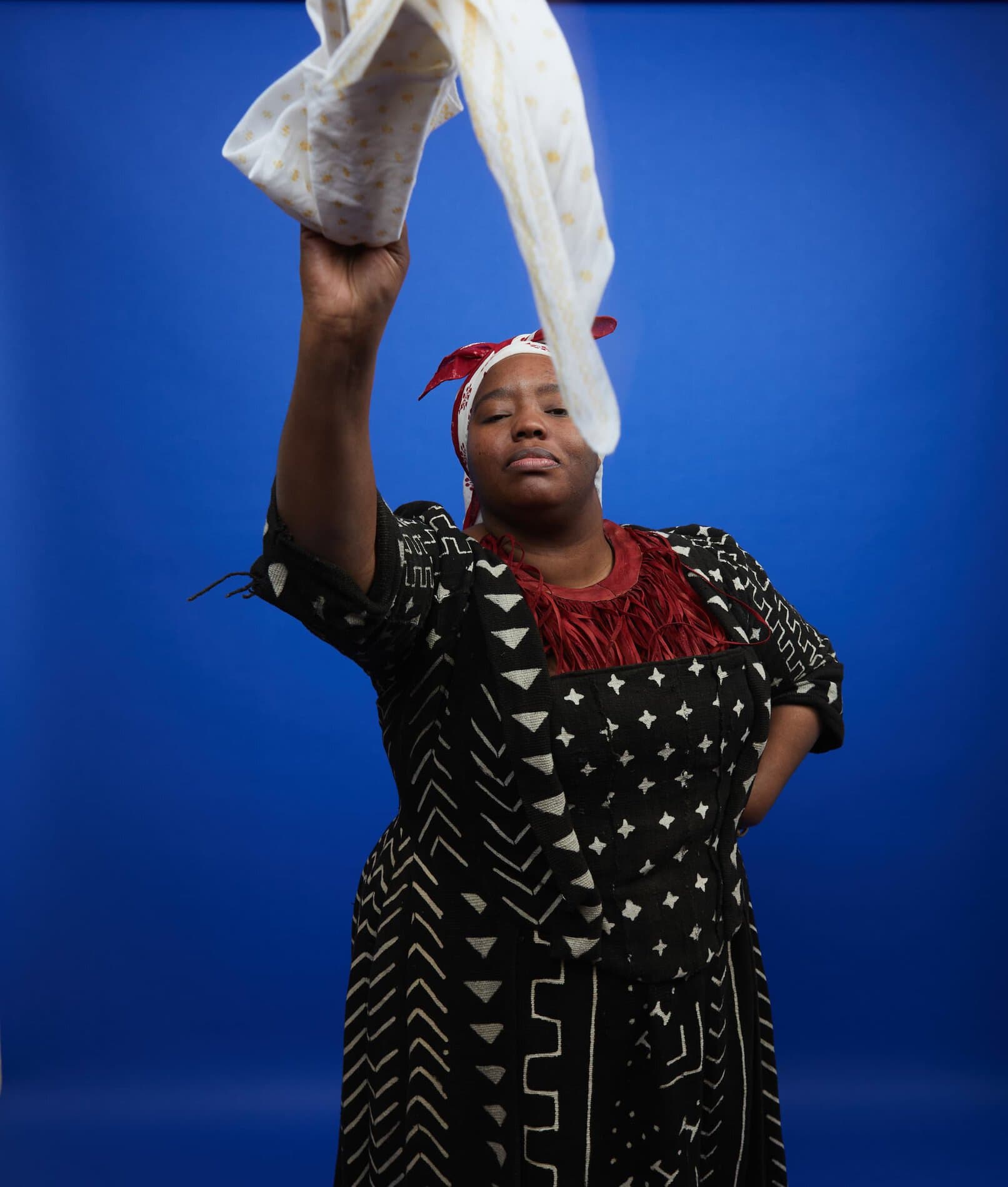
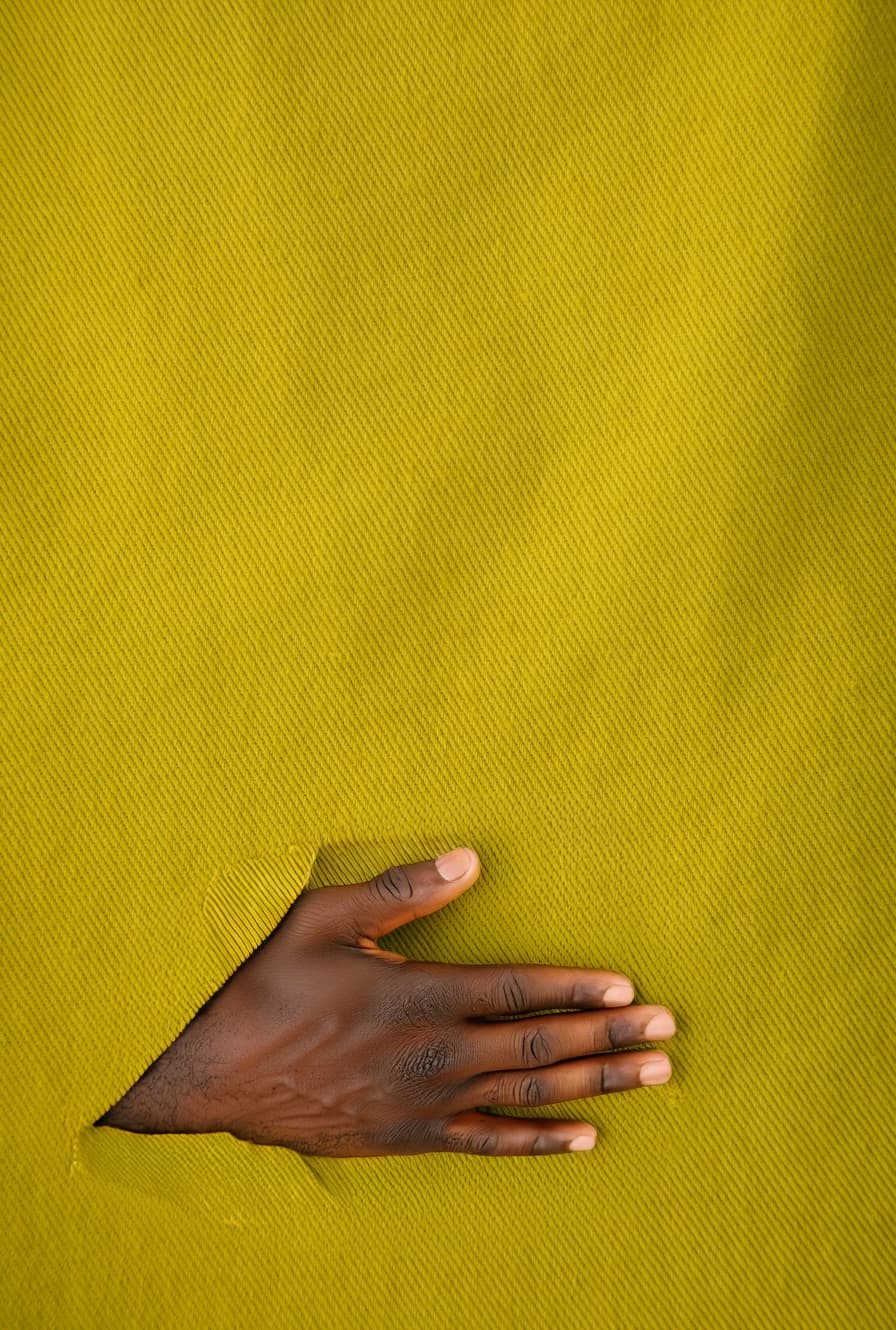
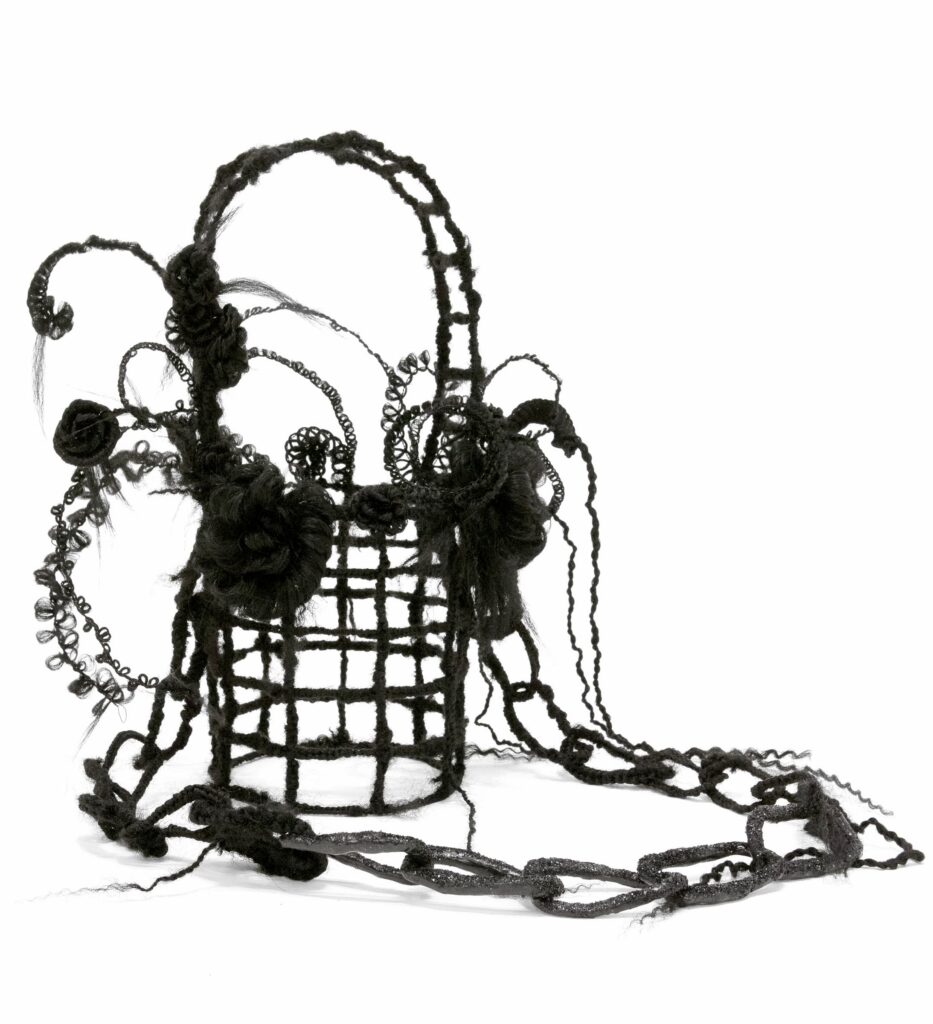
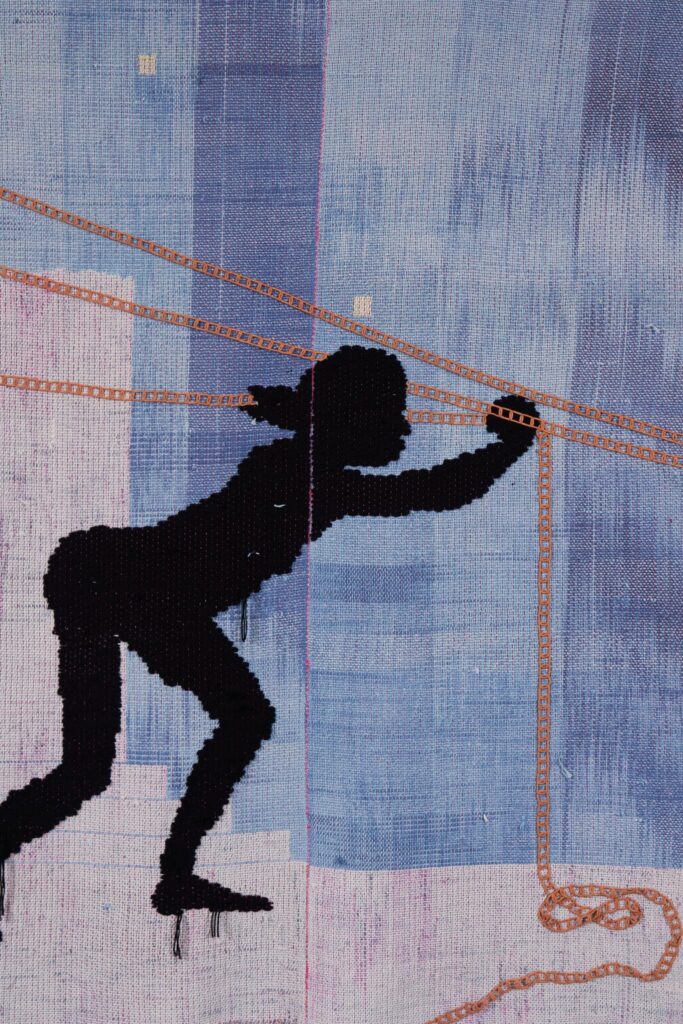
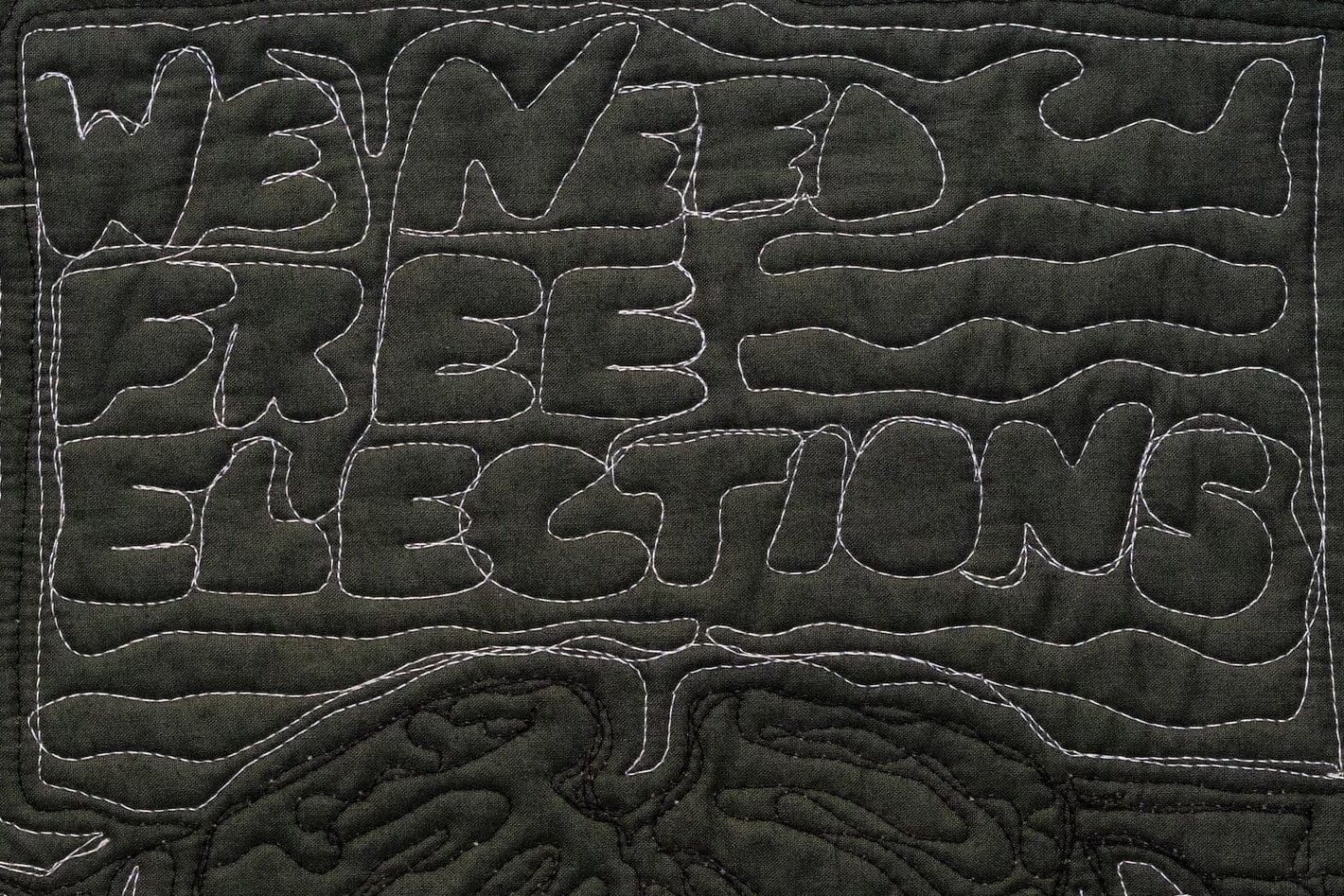
Fiber and textiles represent the visceral nervous system of the fashioned body. Distinct from the superficial and capitalistic aspects of the fashionable garments and accessories we wear, the materiality of fashioned items (and how we fashion them with our bodies) communicates time, occasion and the most legible features of our body. Our physicality creates an intimate connection with the textiles that clothe us: we stretch it, animate it with our movements, eventually making it threadbare and perfumed with the essence of our natural oils. The textiles that make up our clothes are second skins for us: bespoke expressions of our personal aesthetics, visible stories we tell from our lived experiences. Hair is also an expression of what we wear, in tandem with our clothing, as we work (and rework) the fibers that grow (or don’t grow) from our heads into a style that persistently negotiates who we are, what we go through, and who we wish to be. This volume offers myriad perspectives on how Black identity, through its complex history and the ingenuity required to navigate it, cultivates a relationship with textiles and fibers to affirm a sense of wholeness and connection.
—Kimberly Jenkins

Textiles are a rich visual archive of the human experience. They provide evidence of life, love, and resistance, and their stories allow us to make meaning of the past and present while shaping new futures. The history of textiles across the African diaspora is as rich and varied as the identities that shape our global collective. The creation and activation of these textiles represents visual languages and technologies that cite a lineage of cellular and cultural memory and creativity that remains timeless. As contemporary Black makers, scholars, and artists, we continue to find meaning and liberation through the reclamation and use of fiber-based mediums across our practices and everyday lives. The raw materiality of textiles connects us to earth and ancestry, allowing us to trouble relationships to labor and to the body, to place and production. The act of stitching and piecing allows us to embrace stillness within our inner worlds. Just as those before us, we understand how work of the hand can aid processes of care and self-determination that give way to dreaming and reimagination. This issue serves as a crossroads where Blackness and textiles intersect, inviting considerations of how this medium both roots us to one another and seeds our evolution.
—Dr. Sharbreon Plummer
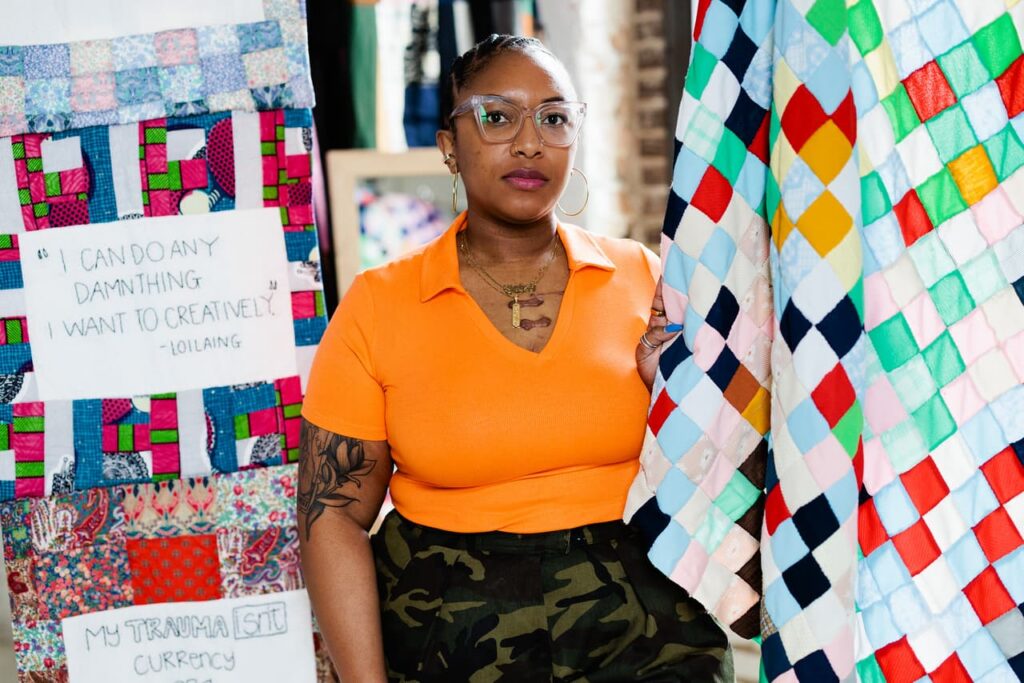
Editors, Issue 4: CONTINUUM: Blackness and Cloth