
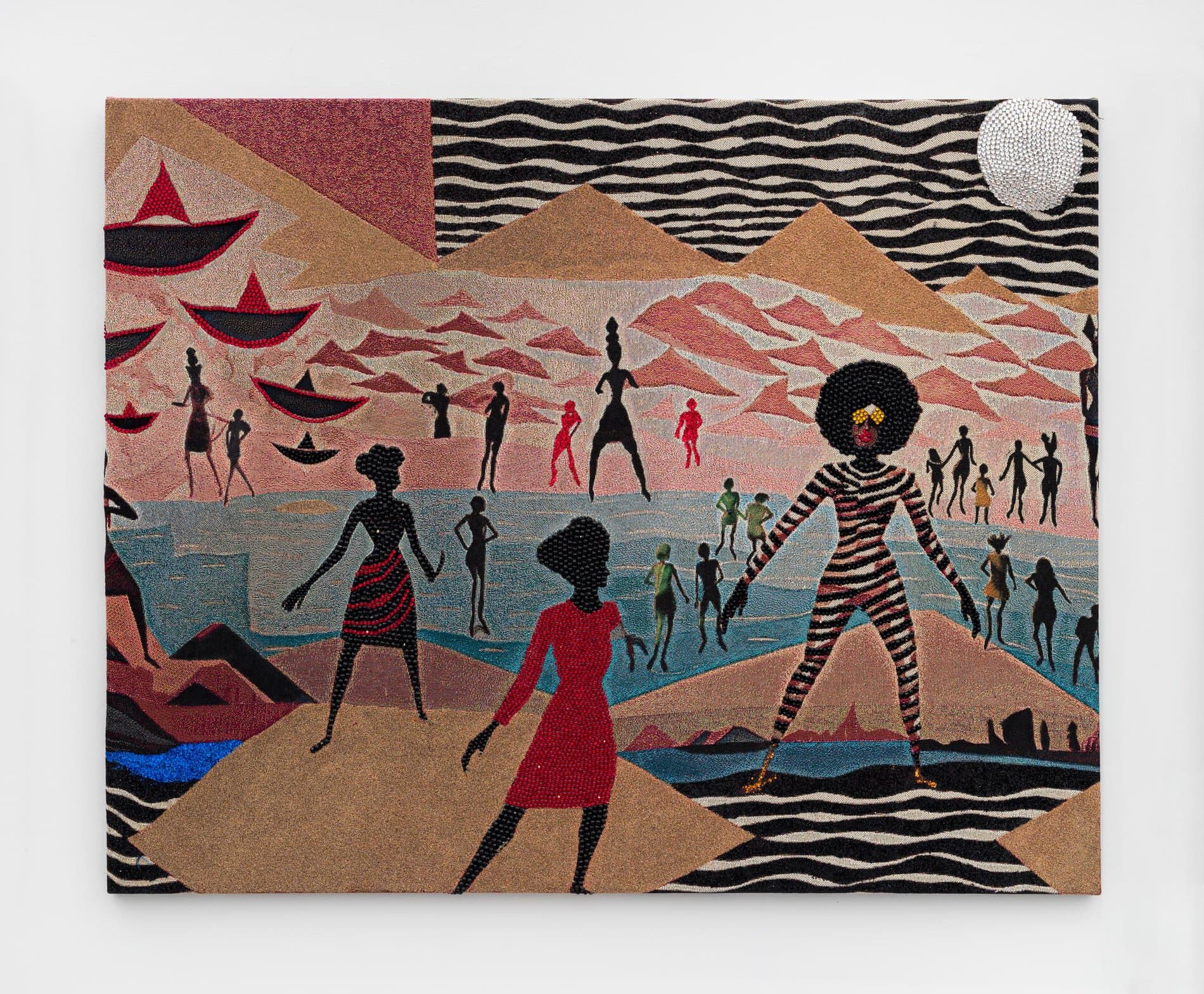
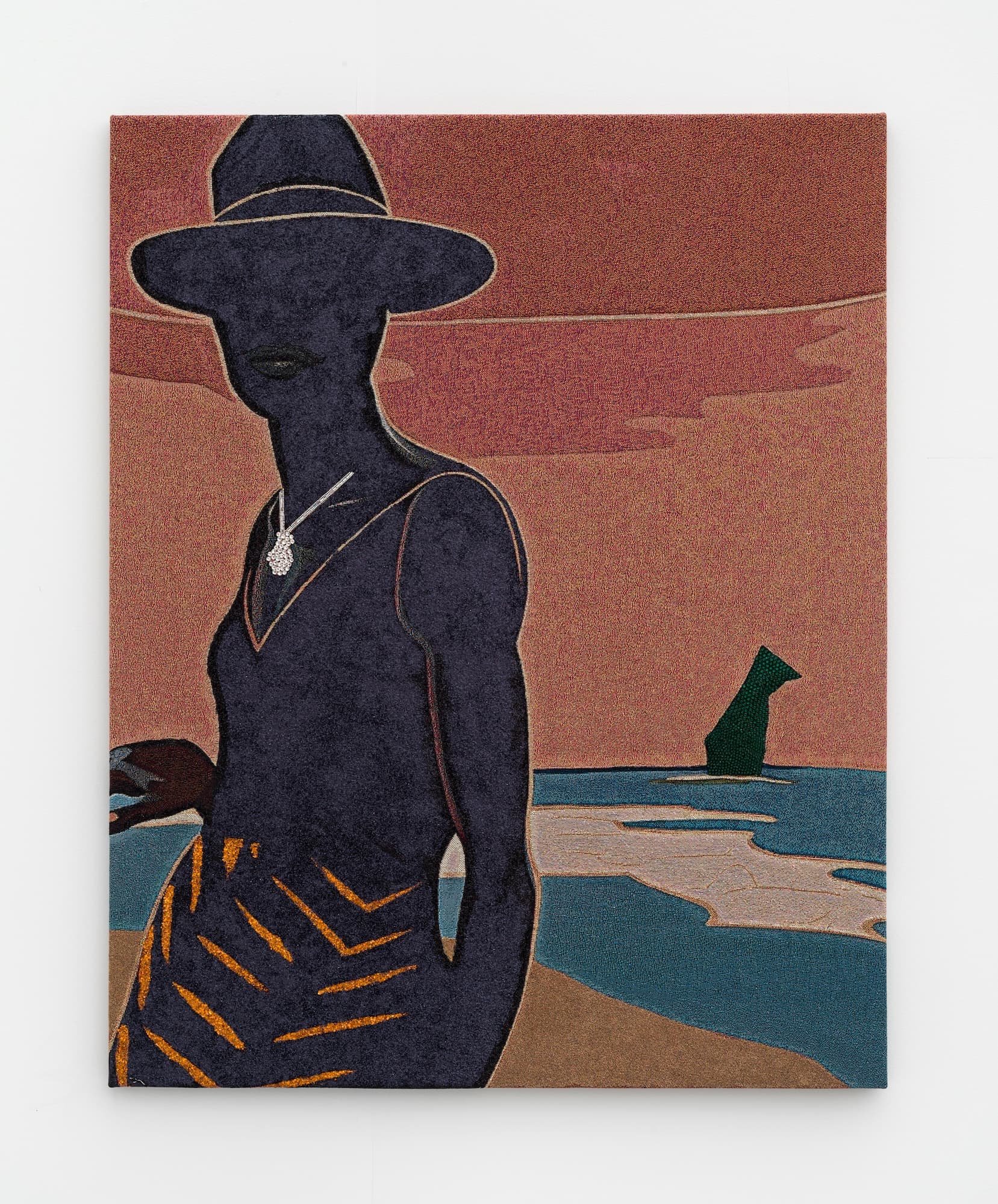
If you visit Akea Brionne’s studio, she’ll most likely place a piece of cloth onto the ground to protect your shoes from the glitter-covered floors. “It stays with you for weeks,” she’ll apologize, unintentionally creating a metaphor for the way her work sticks to your consciousness.
Brionne utilizes AI software to transmute self-portraits into large tapestries, which she stretches onto canvas and stuffs with Poly-fil for sculptural relief. She paints with jewels and glitter, following the gradation of images woven from a combination of red, green, blue, yellow, black, and white thread. Though she prefers to create in dim lighting, she is drawn to rhinestones and glitter because of their relationship to light. “They command a certain amount of space and attention that never ceases to captivate me,” Brionne explains, noting that the act of adorning the tapestry requires hours–sometimes days–of detailed labor and patience. Akea Brionne reminds viewers that mediums traditionally relegated to the title of “craft” require a high level of mastery just like any other art form.
An early critique of her use of “cheap” fabric caused her to question why Black-created artwork born from repurposed material is held at a lower regard than work crafted by white artists who utilize the same approach but call it “thrifting.”
Through work that sits at the intersection of photography, painting, and technology, but present themselves in textiles, Brionne is reclaiming a level of innovation inherent to Black identity, redefining what being a textile artist means.
“If you visit Akea Brionne’s studio, she’ll most likely place a piece of cloth onto the ground to protect your shoes from the glitter-covered floors. ‘It stays with you for weeks,’ she’ll apologize, unintentionally creating a metaphor for the way her work sticks to your consciousness.”
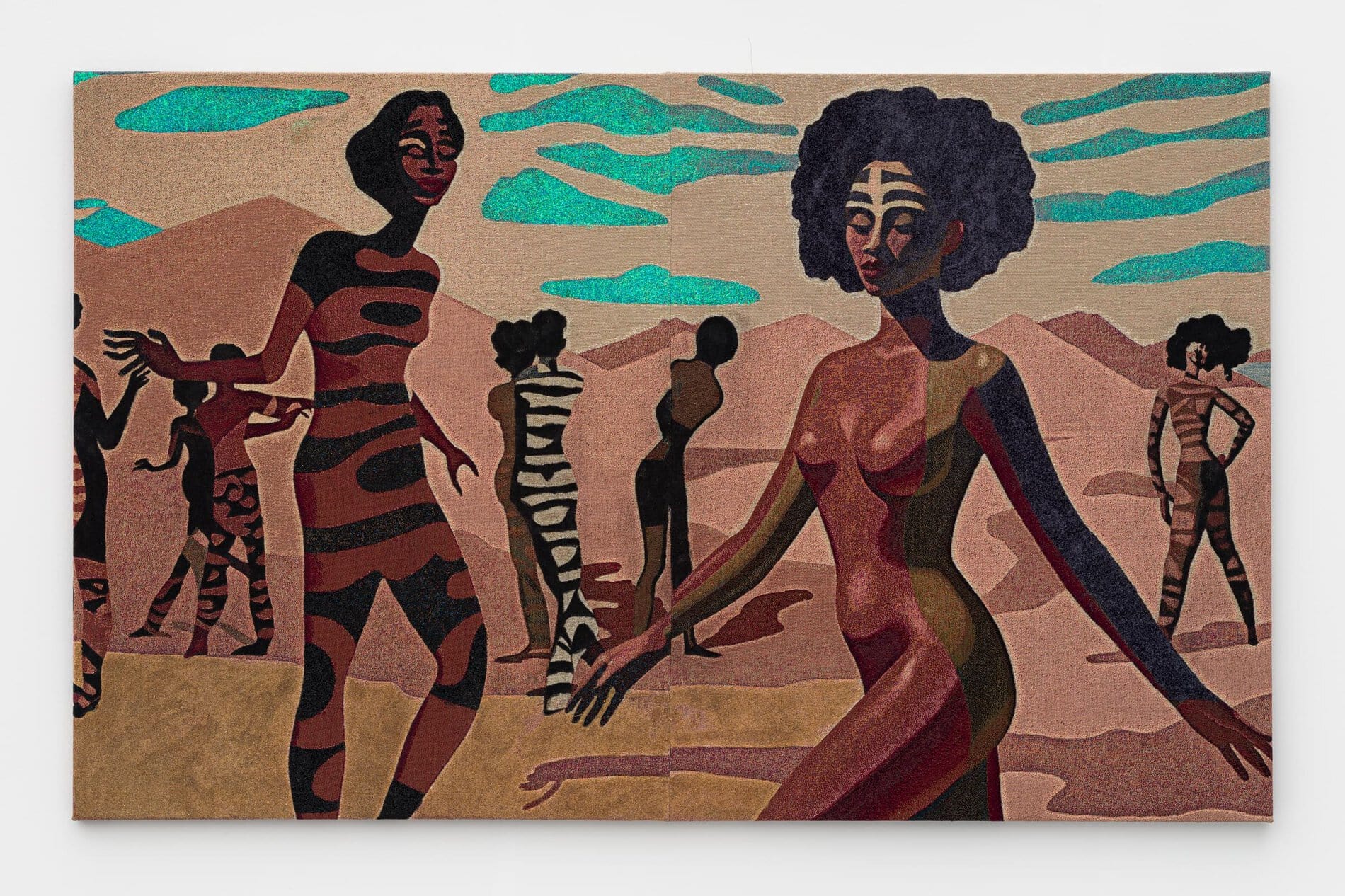
“...Brionne is reclaiming a level of innovation inherent to Black identity, redefining what being a textile artist means.”
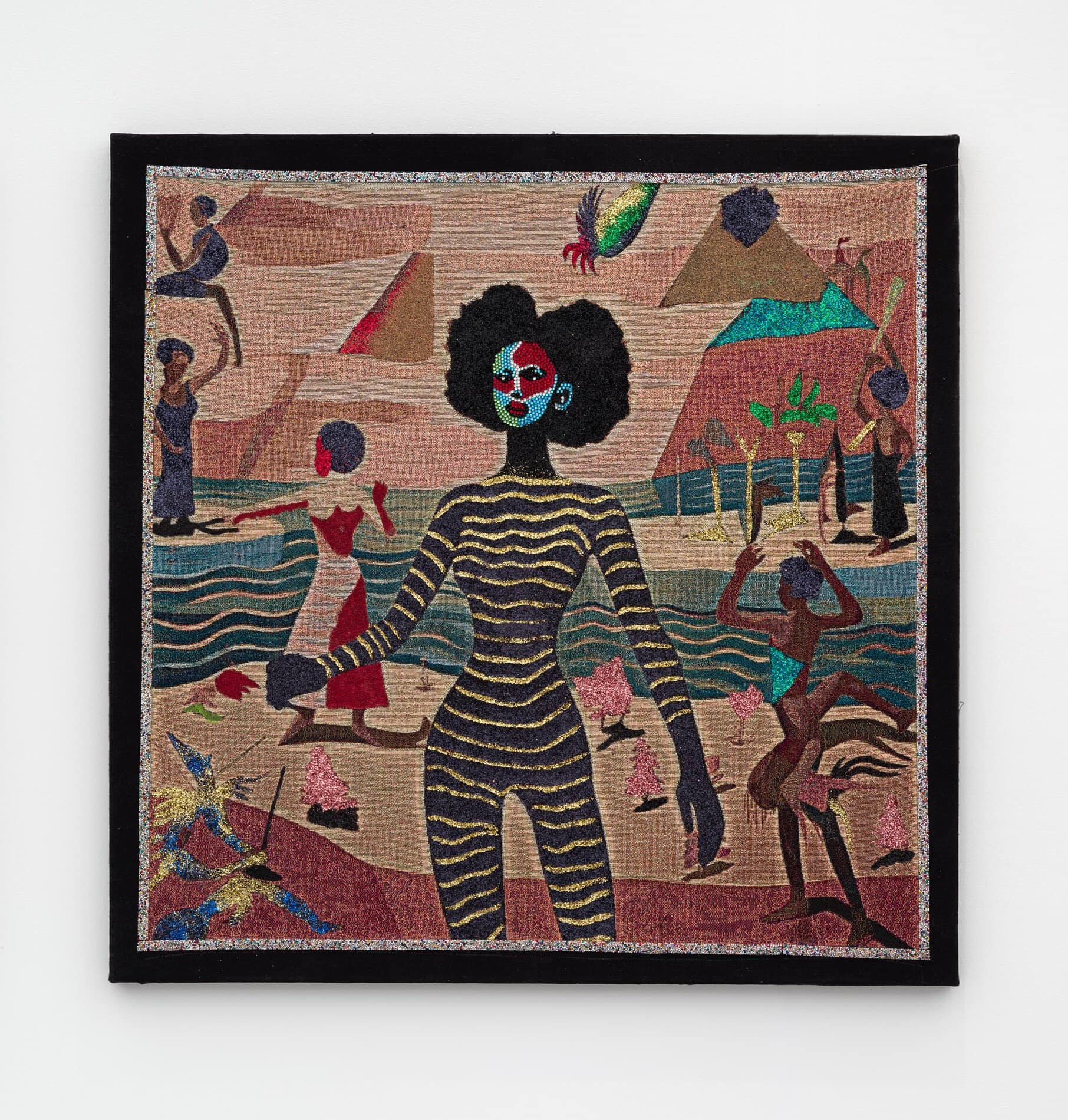
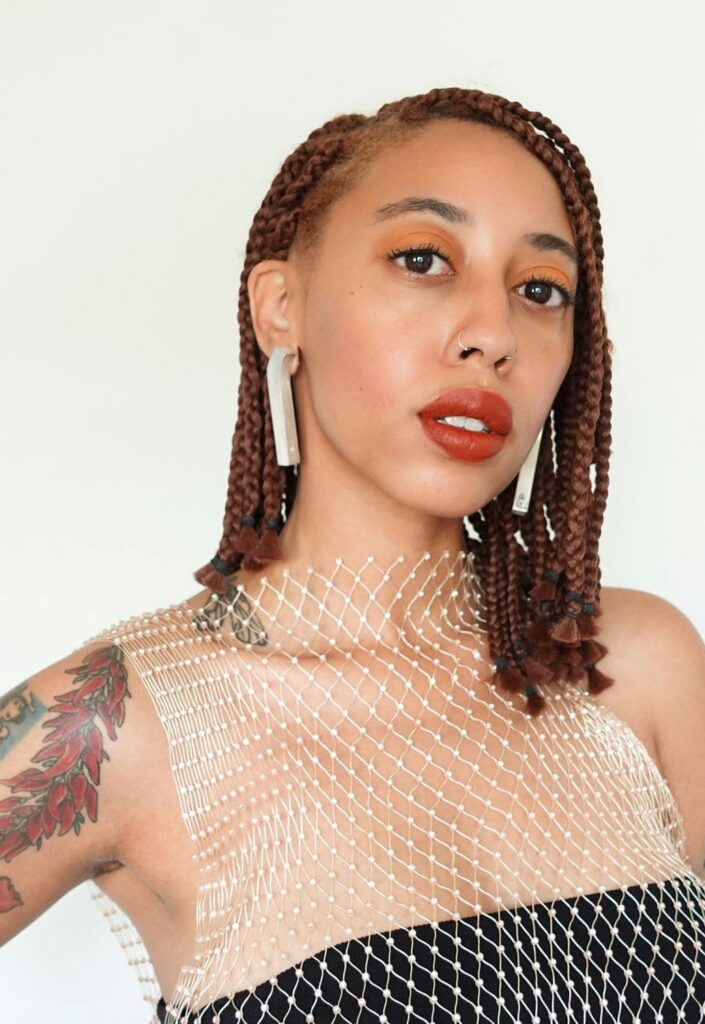
Akea Brionne is an interdisciplinary researcher and artist, working at the intersection of lens and fiber based media. Her practice explores the relationship between colonial and imperialist history and their impact on identity politics, cultural storytelling, memory, and assimilation within the African Diaspora; with a particular emphasis on Creole culture.
To learn more about the work of Akea Brionne visit akeabrionne.com / @akeabrionne
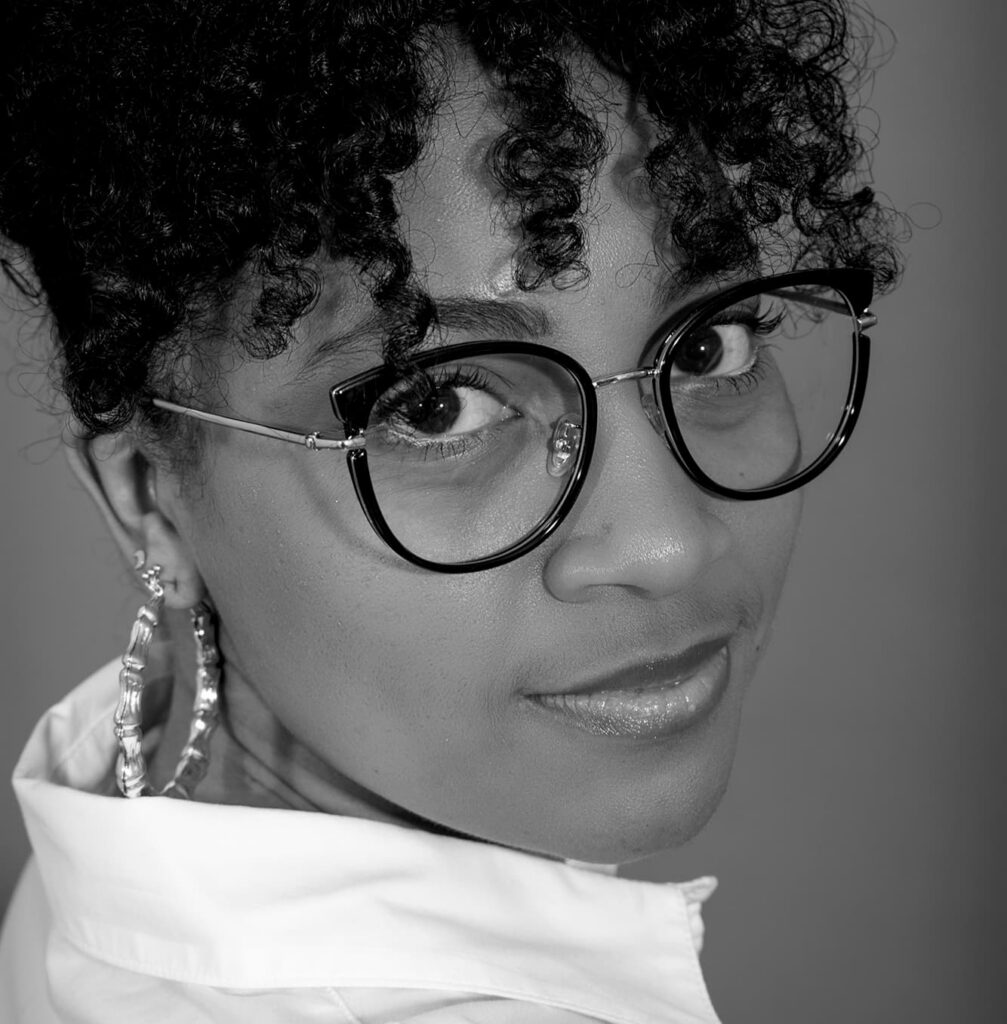
Kaitlyn B. Jones is a social practice scholar, curator, and steward of Black art, Black archives, and Black autonomy.
She is the founder and director of The Black Ordinary, an online multimedia publication, resource hub, and home to the first national database of community archives dedicated to preserving Black American history. Each episode of The Black Ordinary’s seasonal podcast introduces listeners to Black artists, Black community archivists, and Black historians from various parts of the U.S. who are redefining how they interact with institutional archives and substituting traditional museum-based archival practices for a more community-centered approach.
To learn more about the work of Kaitlyn B. Jones visit kaitbjones.com / @kaiteab