
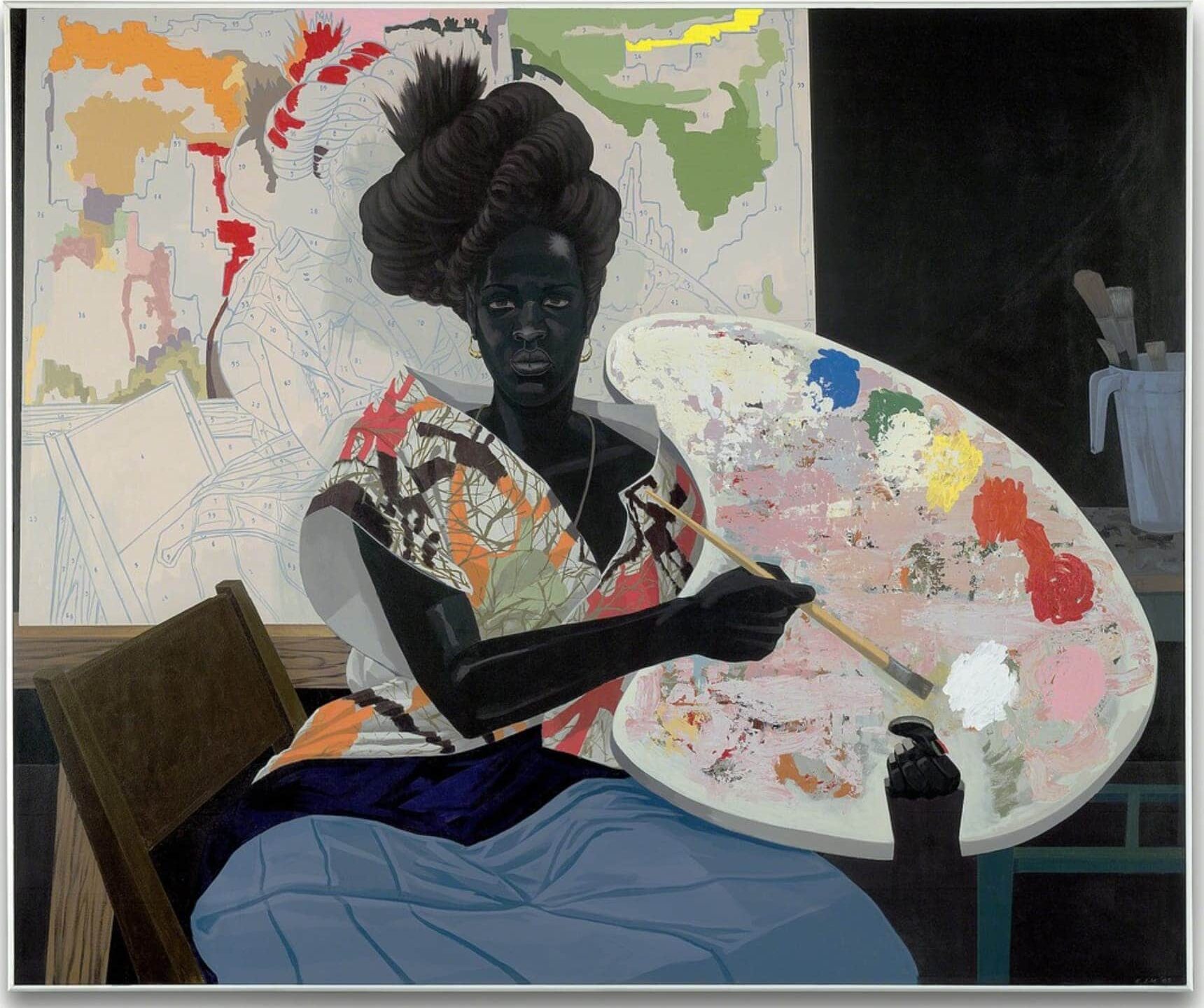
“At the heart of African American color theory is the assertion that blackness embodies a chromatic richness that encompasses the full spectrum of human experience. Just as black pigment can be understood as an amalgam of colors, cultural Blackness operates as an equally expansive palette, bringing together multiple histories, experiences, and identities.”
When Dorothy and her companions arrive in the Emerald City in the 1978 film The Wiz, they find that the city’s fashionable inhabitants continually shift their styles and colors to align with the whims of the Wiz. The scene underscores the centrality of color to African American aesthetic sensibilities, and by extension, to African American culture more broadly. More than ornament or embellishment, color emerges here as a structuring force in the articulation of power and identity. This essay argues that within African American expressive culture, color is foundational rather than merely ornamental.
Just over a century before the release of The Wiz, the British actress and ardent abolitionist Fanny Kemble recorded her observations while visiting her husband’s plantation in Georgia. Among them is a description of enslaved people’s preferences for bright, discordant colors and prints:
Their Sabbath toilet really presents the most ludicrous combination of incongruities that you can conceive… filthy finery [of] every colour in the rainbow, and the deepest possible shades blended in fierce companionship round one dusky visage, head handkerchiefs, that put one’s very eyes out from a mile off, chintzes with sprawling patterns, that might be seen if the clouds were printed with them…1
The so-called “gaudy” colors described in Kemble’s journal reappear across centuries of African American artistic expression. What Kemble dismisses as excess or absurdity can be reread as a deliberate and meaningful engagement with color as a mode of self-fashioning. Lil’ Kim’s “Crush on You” video, for instance, presents the rapper in a series of monochromatic looks with matching wigs, each one a bold assertion of individuality and confidence. The video stands as a vivid testament to the power of color in shaping personal style.
1 Fanny Kemble, Journal of a Residence on a Georgian Plantation in 1838-1839 (New York: Harper & Brothers, 1863), 68-69.
2 Nandi Howard, “Real Talk Confessionals: Misa Hylton Dishes On The Most Iconic Lil’ Kim Looks,” Essence, updated December 6, 2020, https://www.essence.com/fashion/real-fashion-confessionals-misa-hylton-dishes-on-the-most-iconic-lil-kim-looks/.
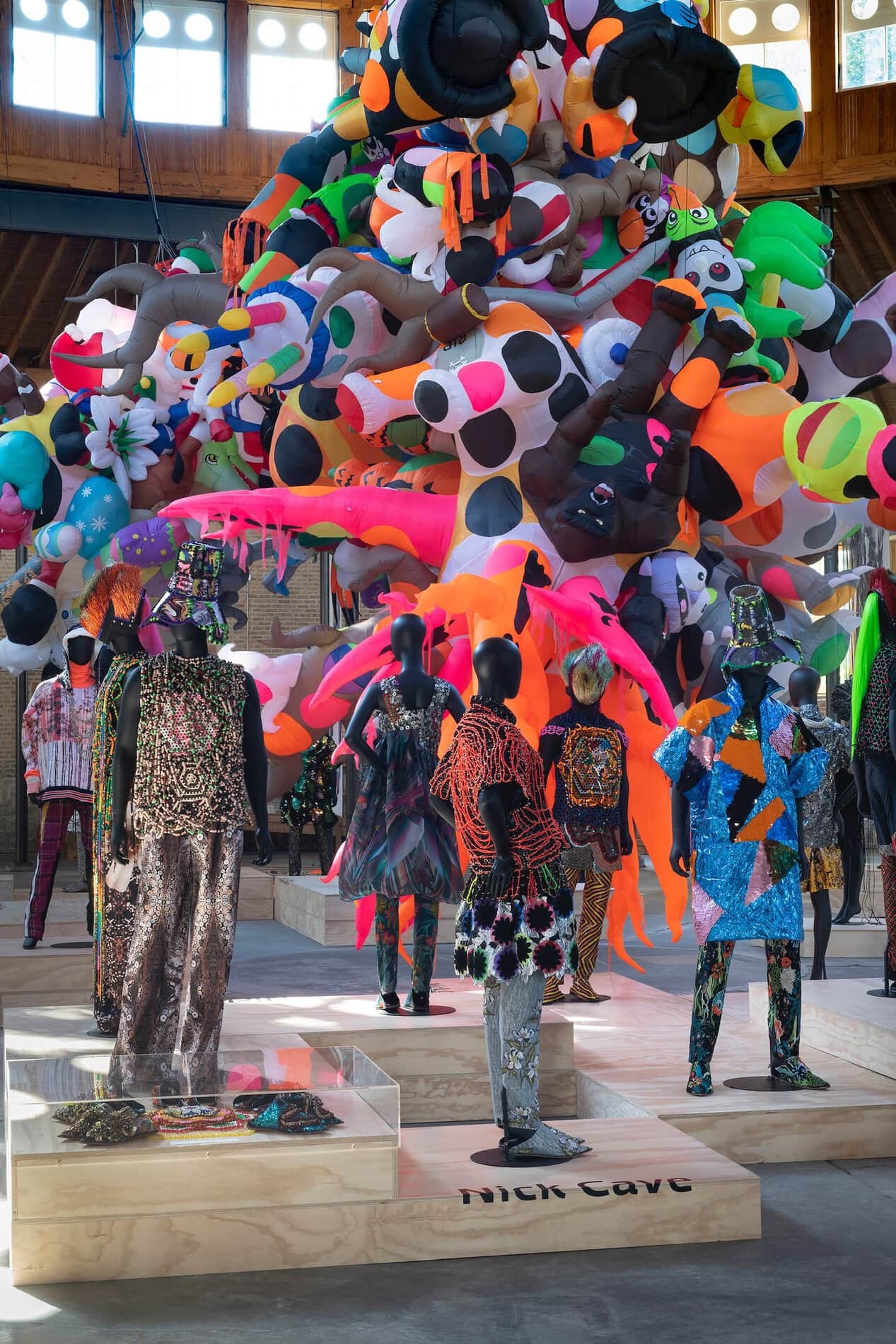
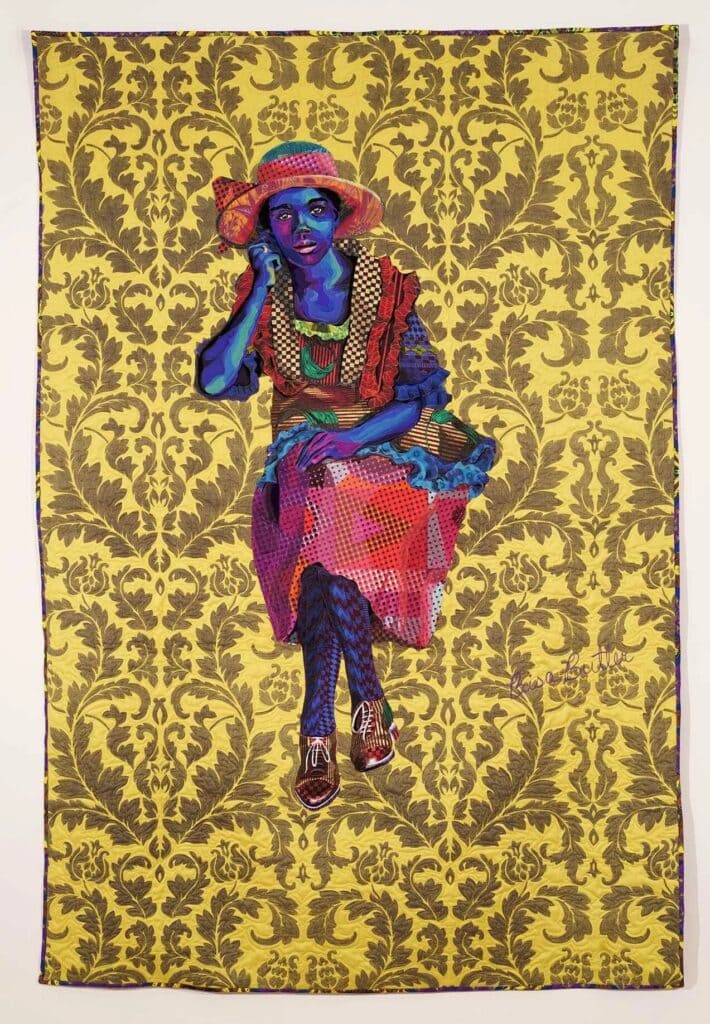
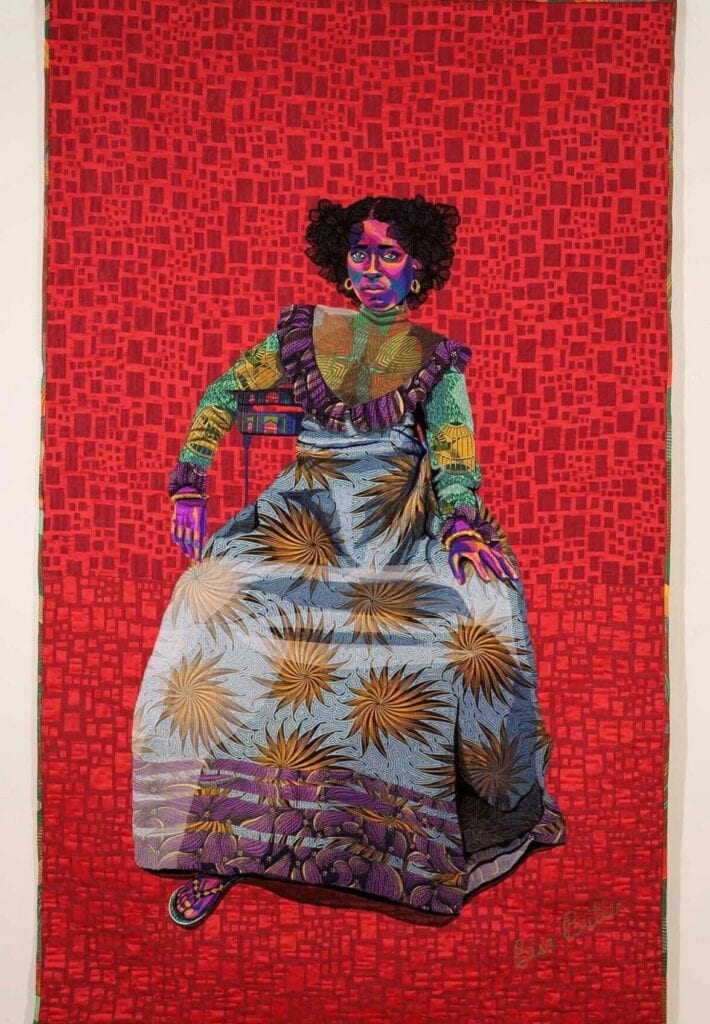
“From Lil’ Kim and Misa Hylton to Nick Cave, from the vibrant abstractions of Alma Thomas to the multimedia practice of Mickalene Thomas and the large-scale quilted portraits of Bisa Butler, color remains central to the expression of Black identity and experience.”
In this context, color exceeds the logic of merely “serving looks.” It refuses the restraint associated with a “quiet luxury” aesthetic and instead operates as a declaration of empowerment and sexual self-possession. Rather than signaling excess, color here functions as a strategy of visibility and control. The video participates in a longer tradition of African American artists using color to articulate identity and to assert control over how they are seen.
Brothers Nick and Jack Cave’s 2022 The Color Is exhibition at the DuSable Museum extended this exploration of color within African American culture. Paying tribute to Black aesthetics and innovation, the exhibition drew on references ranging from the Ebony Fashion Fair to the queer ballroom scene and, of course, The Wiz. The roughly forty couture looks on display employed a wide range of materials to underscore color as a powerful tool for storytelling and self-expression. If these examples demonstrate color in practice, they also invite a deeper theoretical question: what does it mean to understand Blackness itself as chromatic?
In color theory, black is often defined as the absence of all color. Black people, too, have historically been cast as lacking or deficient. In his 1967 essay “Black Is a Color,” Raymond Saunders rejects the label “Black artist” as reductive. Others, including the painter Kerry James Marshall, challenge the idea of blackness, both as a color and as an identity, as synonymous with absence or achromatic emptiness. In a 2017 interview with the Metropolitan Museum of Art, Marshall explains:
In my paintings, there’s carbon black, there’s iron-oxide black, there’s bone black, and then I make those even richer by adding other colors . So I’m working with black chromatically, not as a limitation, which is the way almost everybody had thought about how black functioned in paintings up until this time, I think. So in my paintings, black is chromatic.3
At the heart of African American color theory is the assertion that blackness embodies a chromatic richness that encompasses the full spectrum of human experience. Just as black pigment can be understood as an amalgam of colors, cultural Blackness operates as an equally expansive palette, bringing together multiple histories, experiences, and identities. Blackness is an opening, an entry point, an invitation to think more expansively.
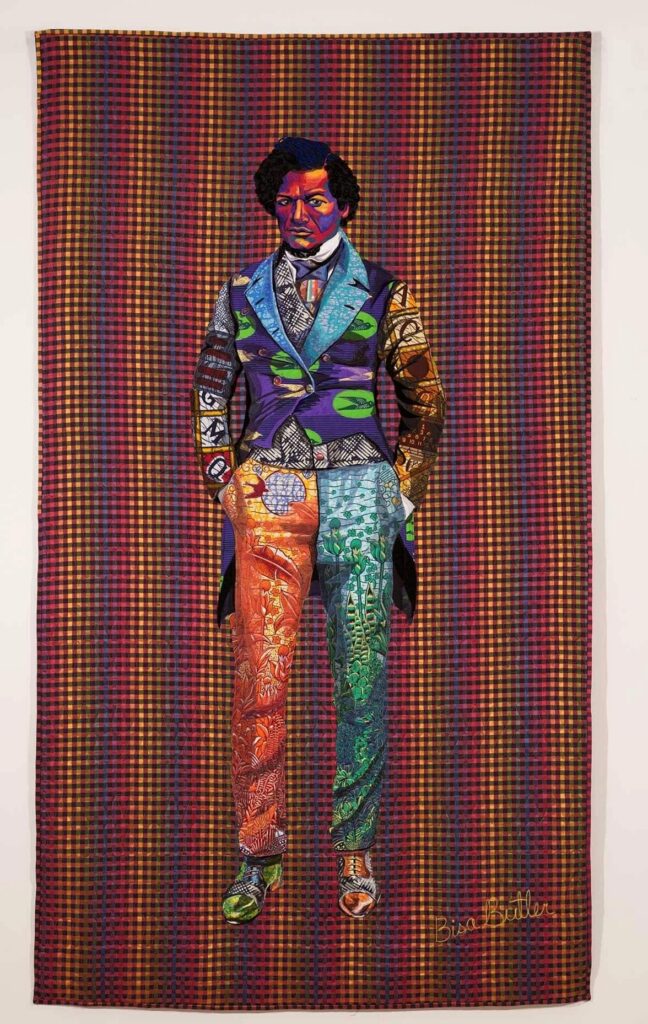
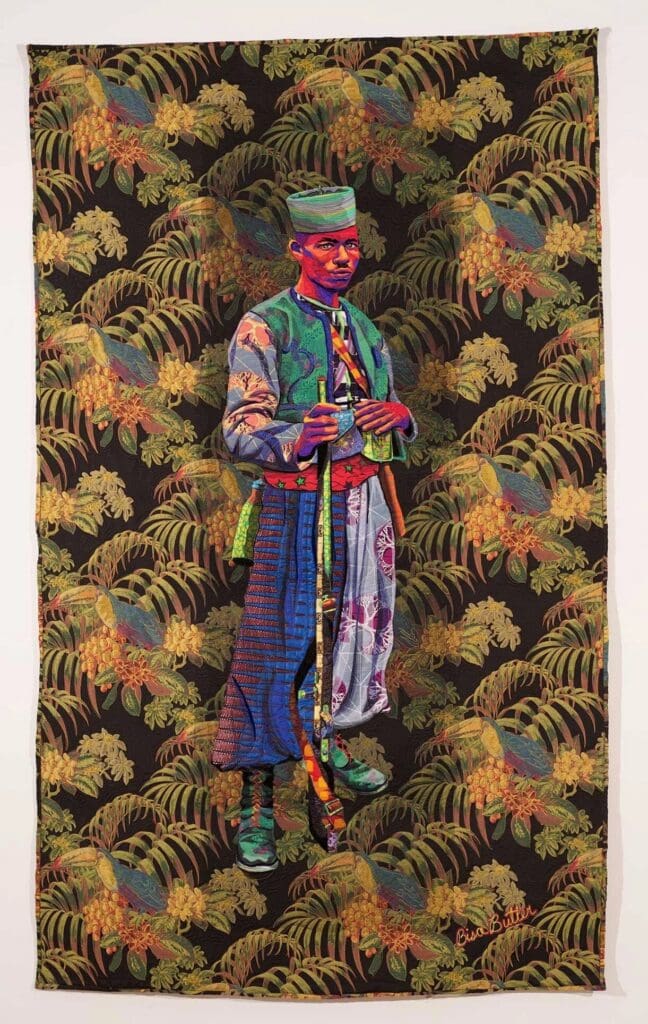
From Lil’ Kim and Misa Hylton to Nick Cave, from the vibrant abstractions of Alma Thomas to the multimedia practice of Mickalene Thomas and the large-scale quilted portraits of Bisa Butler, color remains central to the expression of Black identity and experience. Across these practices, color is not simply aesthetic; it is epistemological, shaping how Black life is imagined, represented, and understood. These artists extend earlier traditions, using color to tell new stories and to challenge inherited narratives. Contemporary African American artists continue to expand the possibilities of color as a medium, linking historical practice with ongoing experimentation to deepen our understanding of what it means to be Black.
3 “Conversation Kerry James Marshall & William C. Rhoden,” in Sandra Jackson-Dumont, ed., Kerry James Marshall: A Creative Convening (New York: The Metropolitan Museum of Art, 2017), 260.

Dr. Jonathan Michael Square is the Assistant Professor of Black Visual Culture at Parsons School of Design. He earned his B.A. from Cornell University, his M.A. from the University of Texas at Austin, and his Ph.D. from New York University. He previously taught in the Committee on Degrees in History and Literature program at Harvard University and was a fellow at the Costume Institute of the Metropolitan Museum of Art. Dr. Square curated the exhibition Past Is Present: Black Artists Respond to the Complicated Histories of Slavery at the Herron School of Art and Design, which closed in January 2023. He is currently preparing for his upcoming exhibition titled Afric-American Picture Gallery at the Winterthur Museum, Garden and Library. He also leads the digital humanities project Fashioning the Self in Slavery and Freedom. Most recently, Dr. Square was named one of the 400 influential design creatives making a significant impact in the United States.
To learn more about the work of Dr. Jonathan Michael Square visit jonathansquare.com / @stylesquared