
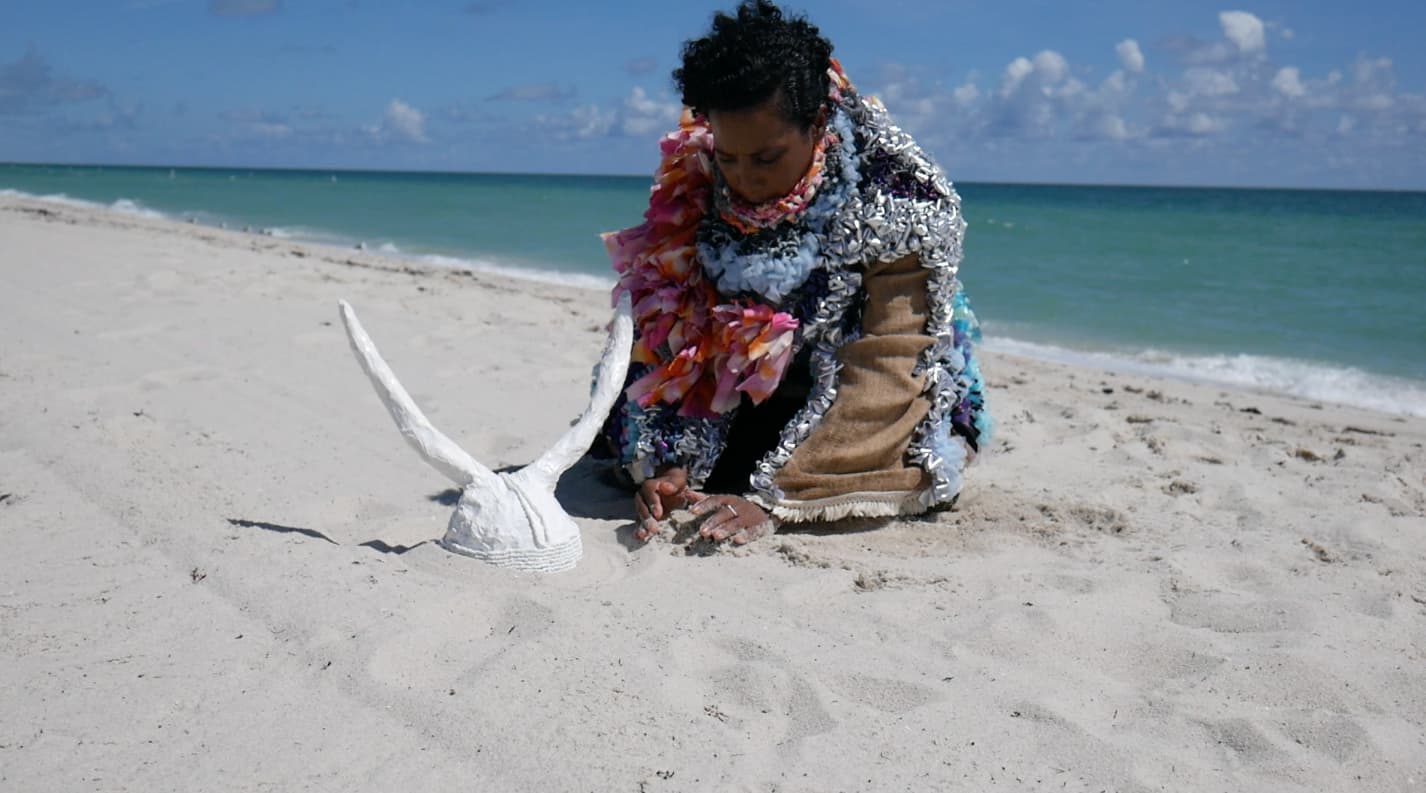
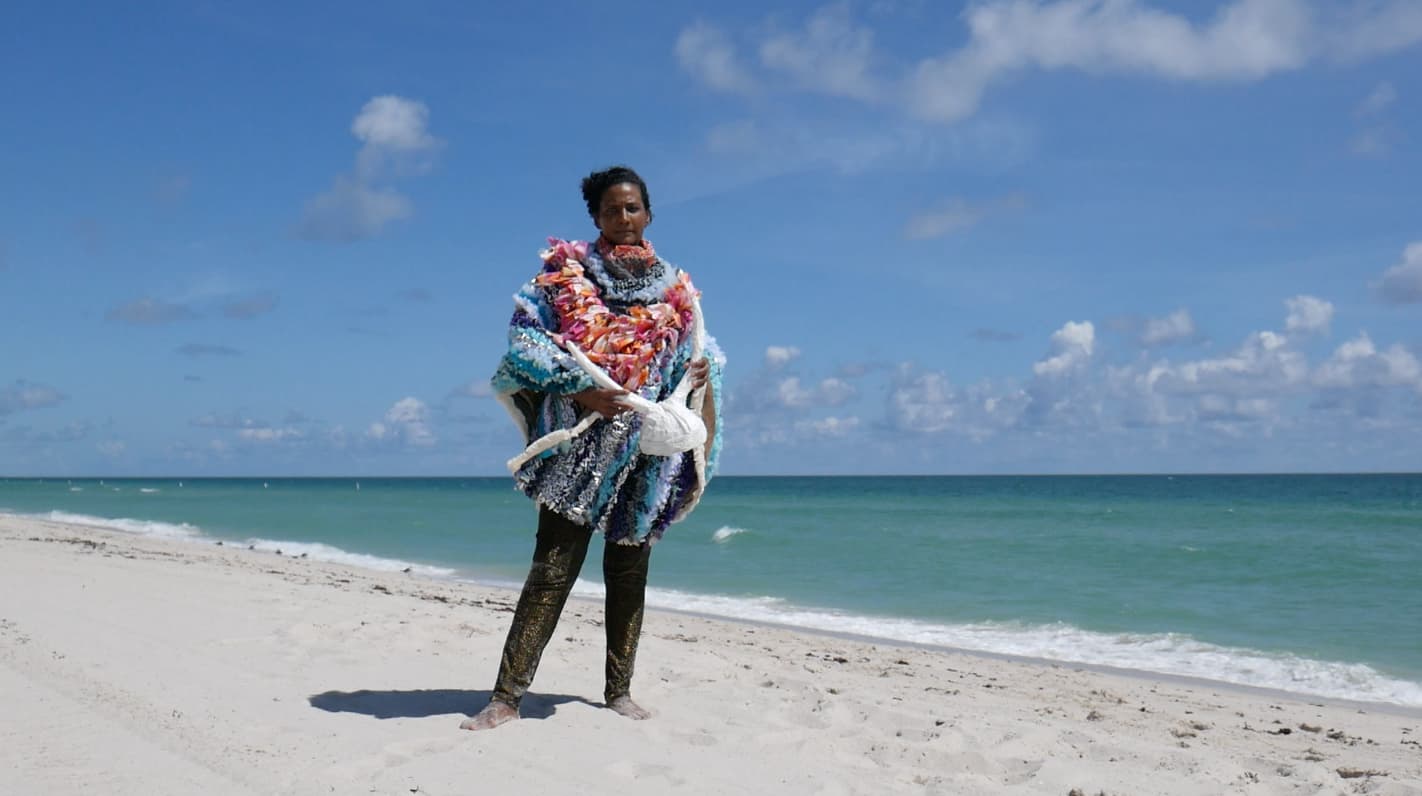
Grounded by Jamaican and Trinidadian lineages, Lauren Baccus describes herself as a participant in “art engagement,” which encapsulates both her poetic work in textiles and her ongoing research into the histories of Caribbean culture. Through her artwork, Baccus identifies Carnival, a tradition born out of resistance to colonial violence, as a conduit for collective histories, shared experiences, and intergenerational storytelling. Through masquerade and costuming, Baccus investigates Carnival’s history and evolving relationship to present life.
“Through her artwork, Baccus identifies Carnival, a tradition born out of resistance to colonial violence, as a conduit for collective histories, shared experiences, and intergenerational storytelling.”
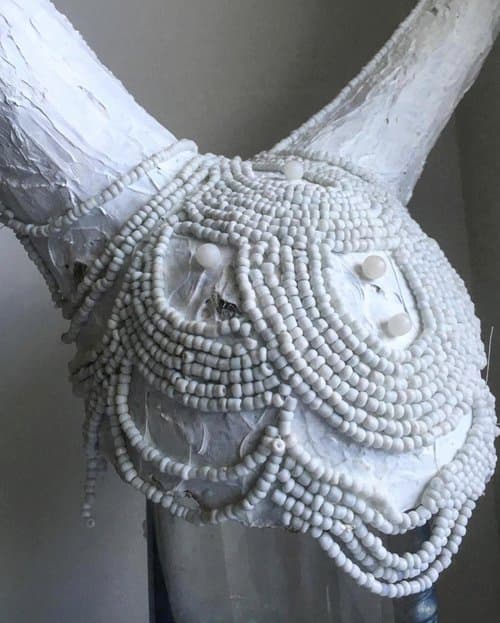
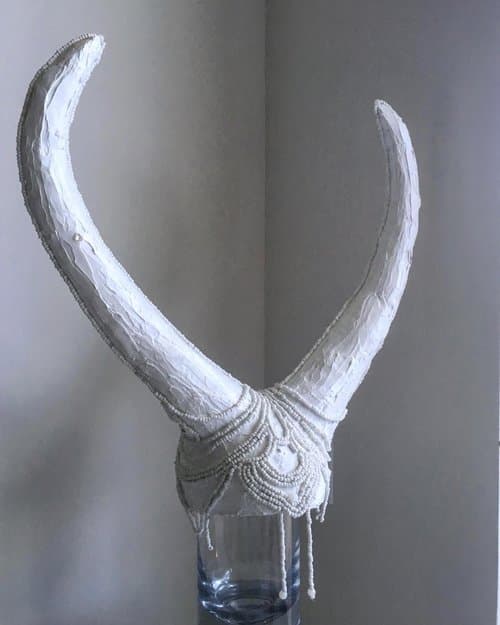
Baccus’ Lajabless Headpiece (2018) evokes an Afro-Caribbean folktale about a woman who sells her soul to the devil in exchange for eternal beauty. The large horns that sit atop this beaded headpiece caution the wearer about the underlying deadly curse that comes with the devil’s promise. This story is often interpreted as a warning against female desire, but when Baccus adorns the headpiece, she grants herself permission to play, embodying the spiritual character of Lajabless and liberating her from the misconception that Black femininity, Black female pleasure, and Black girlhood is dangerous.
Lauren Baccus doesn’t shy away from complicated conversations that emerge when discussing history. Through her digital archive, Salt & Aloes, she condemns one-dimensional perceptions of the Caribbean and strives to reclaim Caribbean culture through archival work. Guided by the question Who do we imagine ourselves to be? Baccus frames history as located in that intangible space between what the body remembers and what the soul knows. Through a reimagining of Caribbean futures grounded in scholarship and textiles, Baccus radiates a joy that will live far beyond an archive.
“Through a reimagining of Caribbean futures grounded in scholarship and textiles, Baccus radiates a joy that will live far beyond an archive.”
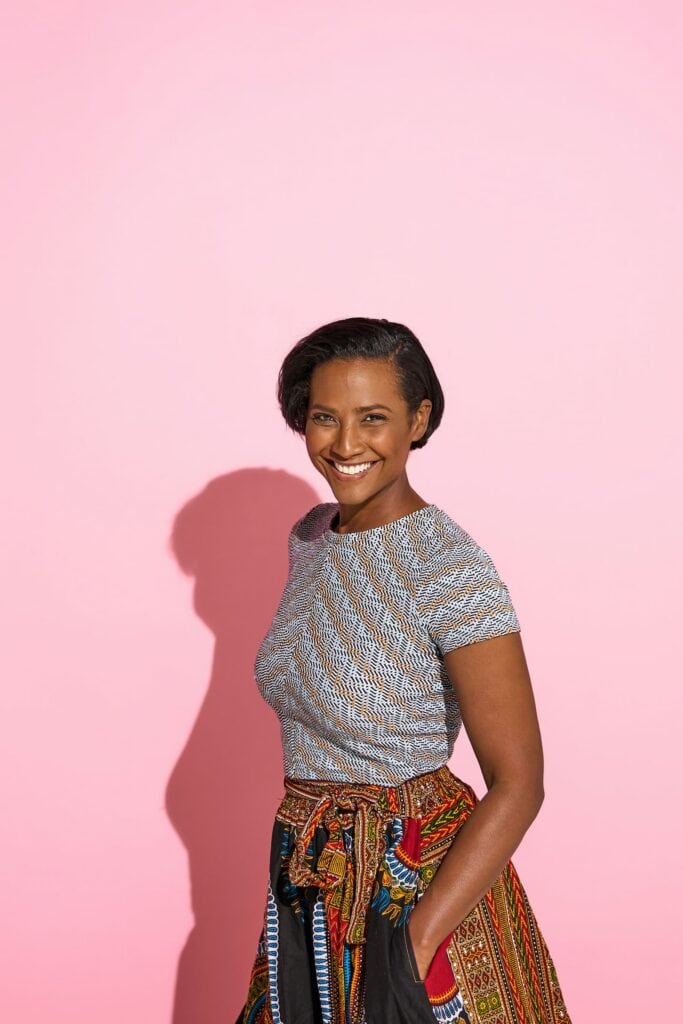
Lauren Baccus is a textile artist, educator and independent researcher whose work centers around the construction of Caribbean identity through textile, costume and craft. Her ongoing project, Salt & Aloes, is a digital resource for art, design and material culture of the Caribbean. She is currently based in Miami, FL.
To learn more about the work of Lauren Baccus visit @bythelb
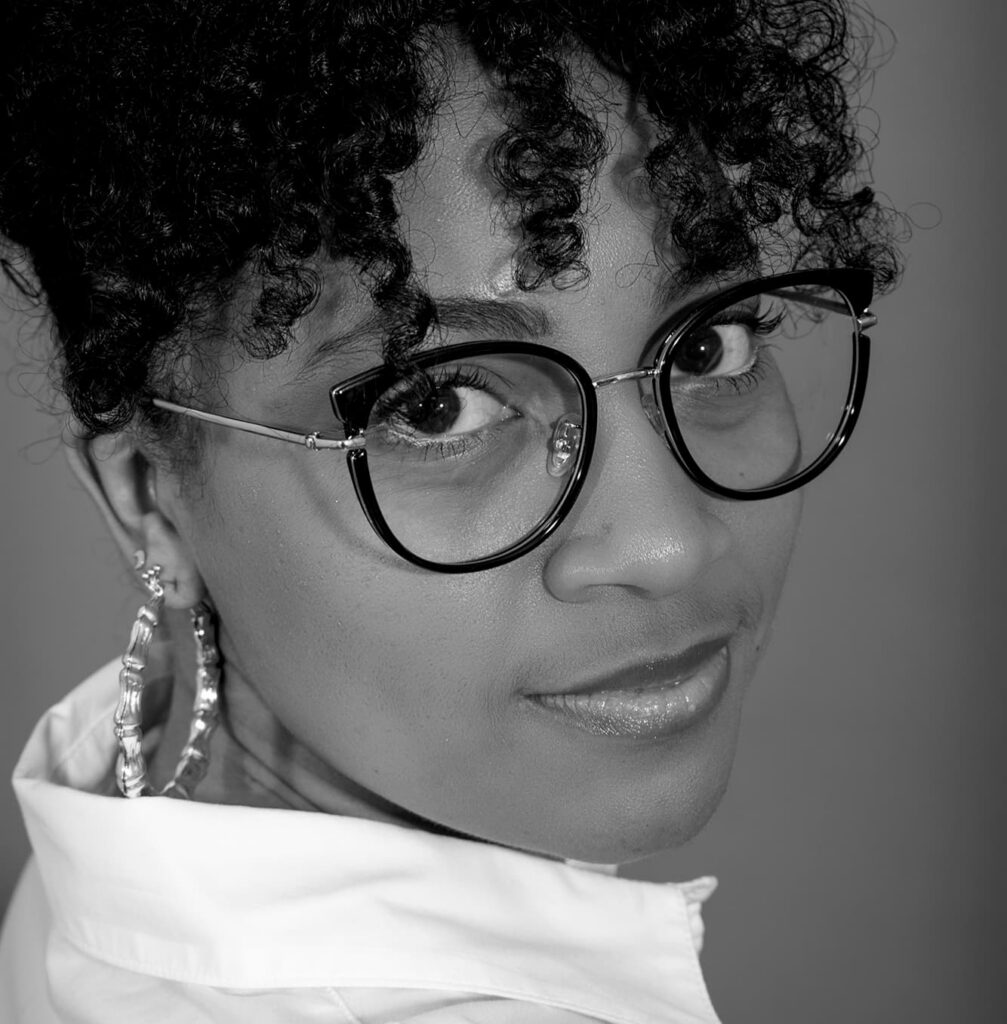
Kaitlyn B. Jones is a social practice scholar, curator, and steward of Black art, Black archives, and Black autonomy.
She is the founder and director of The Black Ordinary, an online multimedia publication,
resource hub, and home to the first national database of community archives dedicated to preserving Black American history. Each episode of The Black Ordinary’s seasonal podcast introduces listeners to Black artists, Black community archivists, and Black historians from various parts of the U.S. who are redefining how they interact with institutional archives and substituting traditional museum-based archival practices for a more community-centered approach.
To learn more about the work of Kaitlyn B. Jones visit kaitbjones.com / @kaiteab