

In the twenty-first century, sustainability has emerged as a critical discourse around the fashion-industrial complex. However, the experiences and perspectives of Indigenous and Black designers, consumers, and communities remain marginalized within this conversation. As a fashion, dress, and sustainability scholar who is also a Black femme working towards decoloniality, I think a lot about both the world of opportunities that reveals itself when we center sustainability in fashion and the systemic barriers to doing so. Among these barriers, the most pressing one, I think, is lovelessness.
Colonialism–the imposition, domination and exploitation by a foreign power over Indigenous peoples and their lands–is a violent and far-reaching process that includes genocide, displacement, theft, and the erasure of cultures, languages, and belief systems. Both colonialism and the fashion-industrial complex it has birthed suppress our ability to experience and express love in its fullest sense. The trauma inflicted by colonialism fractures social bonds, disrupts familial structures, and severs connections to ancestral traditions, leading to a sense of alienation from both our communities and the natural world. This process is self-perpetuating: the isolation that colonialism fosters facilitates greater oppression and inequality, which in turn enable new cycles of genocide, exploitation, marginalization, and dehumanization.
The fashion-industrial complex was born from and relies on colonialist structures, which facilitate the exploitation and extraction of natural resources from colonized regions. These resources include raw materials, dyes, and finished textiles. The cotton, silk, and indigo industries, among others, were built and continue to rely heavily upon coerced labor and land appropriation, which result in ecological degradation and economic dependency. In the Americas, there is also a long history of appropriating and commodifying cultural symbols, practices, and aesthetics from historically exploited communities–particularly Indigenous and Black cultures. From the misappropriation of Indigenous American textiles to the fetishization of African prints and motifs, the fashion industry decontextualizes and exoticizes cultural heritage for profit while silencing the communities from which they originate.

When I speak of lovelessness in the context of the fashion-industrial complex, I’m referring to a deprivation of meaningful connections with ourselves, our bodies, and our environments–and thus, with our clothes. Consumerism, the incessant pursuit of external validation through the purchase of material goods, thrives when we feel isolated from ourselves and others. In such cases, we shop to find temporary satisfaction, to fill an emotional void. But consumerism is a void of its own. The pressure to constantly update our wardrobes, driven by social media influencers, advertising, and peer influence, leads us to compulsively and excessively accumulate clothing and accessories. The lovelessness inherent in consumer culture leads us to ignore the human and environmental costs of fashion production.
Predominantly Black and Brown people located in the Global South, garment factory workers are routinely exploited, underpaid, overworked, and exposed to unsafe labor conditions. The environmental impact of fashion production, from water pollution to textile waste, is likewise disproportionately felt by Black and Brown communities.2 To add insult to injury, fast fashion brands today routinely capitalize on Black consumers’ need to negotiate Black identity in a colonial society. Brands like Target and Forever 21 develop Black history lines featuring Kente cloth, selling us a Blackness that is cheap and plastic under the guise of cultural sustainability. Pair these business examples with the colonial legacies embedded within the fashion-industrial complex and one might be hard pressed to find hope in fashion sustainability.
2 “Garment Workers,” Collective Fashion Justice, https://www.collectivefashionjustice.org/garment-workers.
The lovelessness perpetuated by consumerism undermines efforts towards sustainability within the fashion-industrial complex. Sustainability advocates for responsible consumption, emphasizing environmental stewardship, social equity, and long-term wellbeing. Cultivating a sense of connection, empathy, and mindfulness will help us resist the allure of conspicuous consumption and make more conscious choices about our buying habits. At the same time, systemic reforms within the fashion-industrial complex are necessary to promote transparency, accountability, and ethical production practices. This includes supporting sustainable and ethical brands (if we must shop at all), advocating for fair labor standards, and reimagining fashion as a force for positive social and environmental change.
“To be Black–to be of the diaspora, stolen, disconnected from our homelands, enslaved, murdered, exploited, oppressed, vilified, copied, uncited–and to offer Blackness–Black design, gospel, innovation, jazz, theory, hip hop, space, country, protest, soul, joy, collectiveness, and liberation–as a balm to the ills of contemporary fashion: that is love.”

“Black love, heritage, and innovation have always existed in textiles and fashion, shining evermore vibrantly in the face of adversity.”
Ultimately, addressing the root causes of lovelessness and consumerism is essential for fostering a culture of sustainability and wellbeing where fashion consumption is not guided by colonization, but instead by values of intentionality, compassion, and respect for people and the planet. Black modes of being, clothing, and connecting to the body acknowledge the structural roots of oppression and trauma through colonization while also centering healing, resilience, and collective liberation. To be Black–to be of the diaspora, stolen, disconnected from our homelands, enslaved, murdered, exploited, oppressed, vilified, copied, uncited–and to offer Blackness–Black design, gospel, innovation, jazz, theory, hip hop, space, country, protest, soul, joy, collectiveness, and liberation–as a balm to the ills of contemporary fashion: that is love. And that is sustainability.
Blackness is more than a defense against oppression; it is a force of creation and renewal. Blackness transcends time, bridging the past, present, and future by imagining future worlds that prioritize living and thriving. Black fashion emphasizes harmony with the environment and cultural storytelling. Enslaved Black folks, for instance, repurposed available materials such as burlap and discarded fabrics to create unique garments that were both functional and expressive of Black identity. Today, this ingenuity endures as Black communities continue to use upcycled materials, natural fibers, and offcast textiles to craft contemporary fashions that not only honor heritage but also embrace innovation. It persists in the intentional passing on of hand-me-downs, in tailored Sunday bests, in the care and preservation of sneakerhead culture, and in the communal warmth of hair braiding in our living rooms.
Black love, heritage, and innovation have always existed in textiles and fashion, shining evermore vibrantly in the face of adversity. From the traditions of weaving and dyeing in Africa to the ingenuity of enslaved people in the Americas, the act of creating and loving clothing has long been a way to assert identity, forge connections, and heal. The cultural significance of the love of fashion is not simply in the clothing itself, but in the act of reclaiming and redefining it. To imagine a world where this love is at the root of the fashion narrative is to envision a cultural and financial economy where the creations of designers and artisans are celebrated not just as commodities but as containers of cultural significance. A fashion narrative imbued with love would mean reframing sustainability as respect for all people and the planet. It would mean a world where fashion honors holistic history and heritage, restores dignity, and fosters collective liberation through ethical practices, interconnectedness, and a deep commitment to cultural preservation: a world in which we create, connect, and heal with intention and reverence.
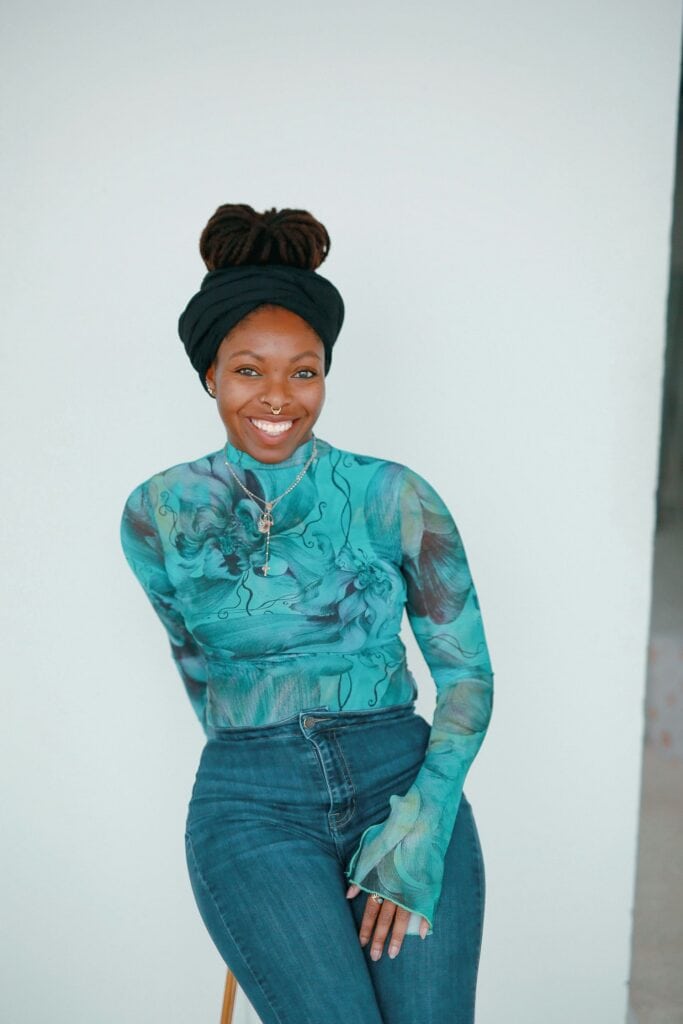
Dr. Sha’Mira Covington is a scholar-artist with interests in Africana studies within the fashion-industrial complex. Holding bachelor’s degrees in fashion merchandising and art history, she brings a multifaceted perspective to her work. With a decade-long tenure in the fashion and retail sectors, she witnessed firsthand the detrimental impacts of the fashion-industrial complex, driving her to pursue a master’s in communication with a focus on public relations, followed by a PhD in international merchandising with concentrations in African American studies and interdisciplinary teaching.
Her research agenda makes the case for increased dialogue between the visual, sensory, and material-based methods of Black liberation. Her work specifically explores the cultural, historical, social, and political significance of fashion and dress within the contexts of colonial domination, anti-colonial resistance, and processes of decolonization.
To learn more about the work of Dr. Sha’Mira Covington visit shamiracovington.com / @shamira.deanne